
Adolescent and school sports injuries in Hornsby
%20(1).svg)
.svg)

Adolescent and school sports injuries in Hornsby
School and community sport are a big part of life for many families in Hornsby and surrounding suburbs. Parents often look for support when a child starts limping after training, avoids PE, or complains of ongoing soreness after games.
Common school sports injuries children experience include sprains, muscle strains, overuse conditions and growing-related pains. Early, age-appropriate assessment may help clarify what is happening, plan safe activity levels and support a gradual return to the sports and school activities they enjoy.
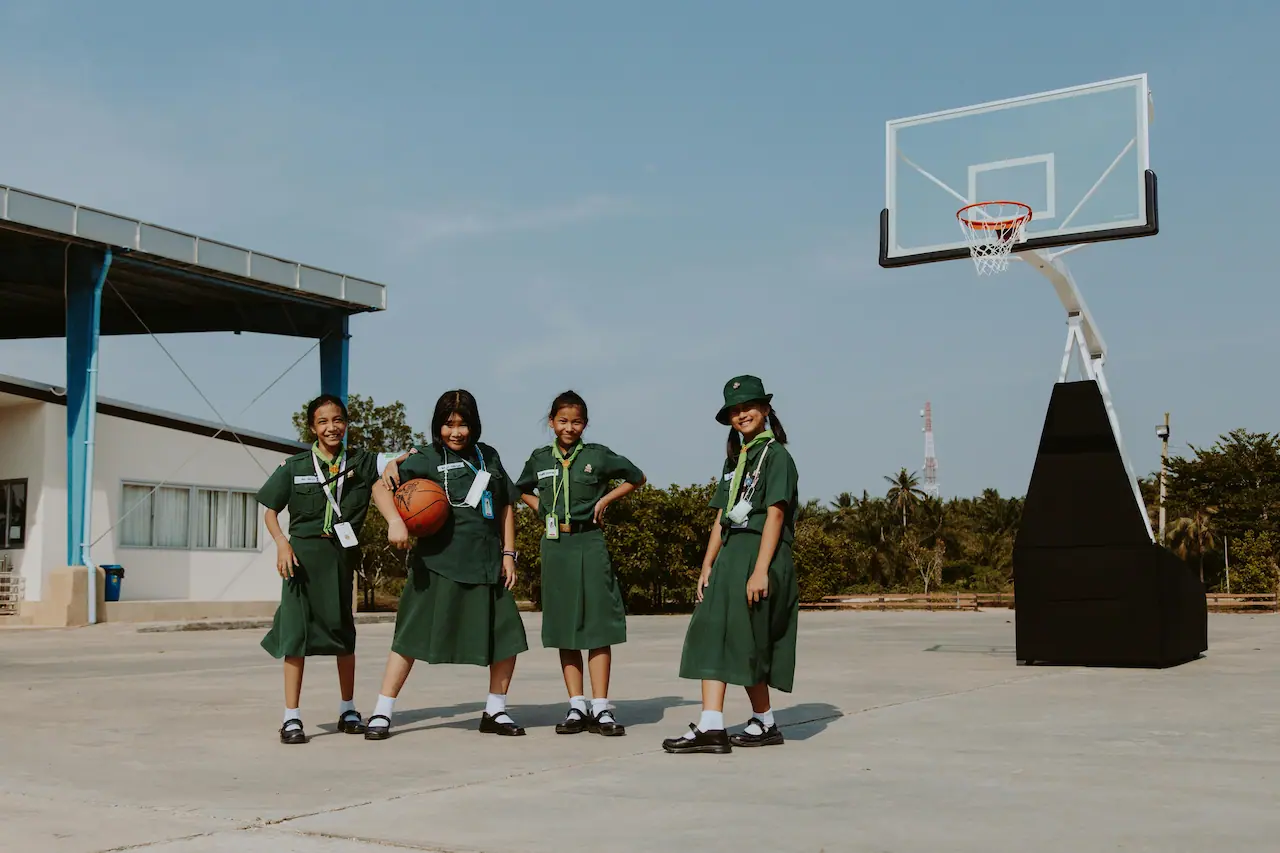
What are adolescent and school sports injuries?
Adolescent and school sports injuries include any sport- or activity-related problems that affect primary and high school students. These can involve contact incidents, such as a fall or collision, or overuse issues from repeated loads that outpace a growing body’s capacity.
Common examples include:
- Ankle sprains, knee sprains and muscle strains from running, jumping and change-of-direction sports.
- Overuse injuries such as heel pain (for example, calcaneal apophysitis), shin pain and knee pain around growth spurts.
- Shoulder, elbow and wrist irritation in throwing, racquet or gym-based sports.
- Overuse and load-related back pain in rapidly growing adolescents.
Growing bones, changing coordination and busy school and sport schedules can all contribute to how these injuries arise and behave. Children and teens are not simply “small adults”, so management often needs to be adjusted accordingly.

Acute injuries and overuse injuries
Acute injuries usually happen suddenly, for example:
- A rolled ankle landing from a jump.
- A collision leading to a sprain or contusion.
- A fall during PE or school sport.
Overuse injuries develop over time when tissues do not have enough opportunity to recover between loads. They may show up as:
- Pain that starts during or after sport and lingers for days.
- Soreness in one area that gradually worsens.
- Fatigue and reduced performance despite continued training.
Warning signs of potential overuse in young athletes include pain that increases with sport and continues at rest, limping, pain lasting beyond two to three days, or discomfort that becomes intolerable.
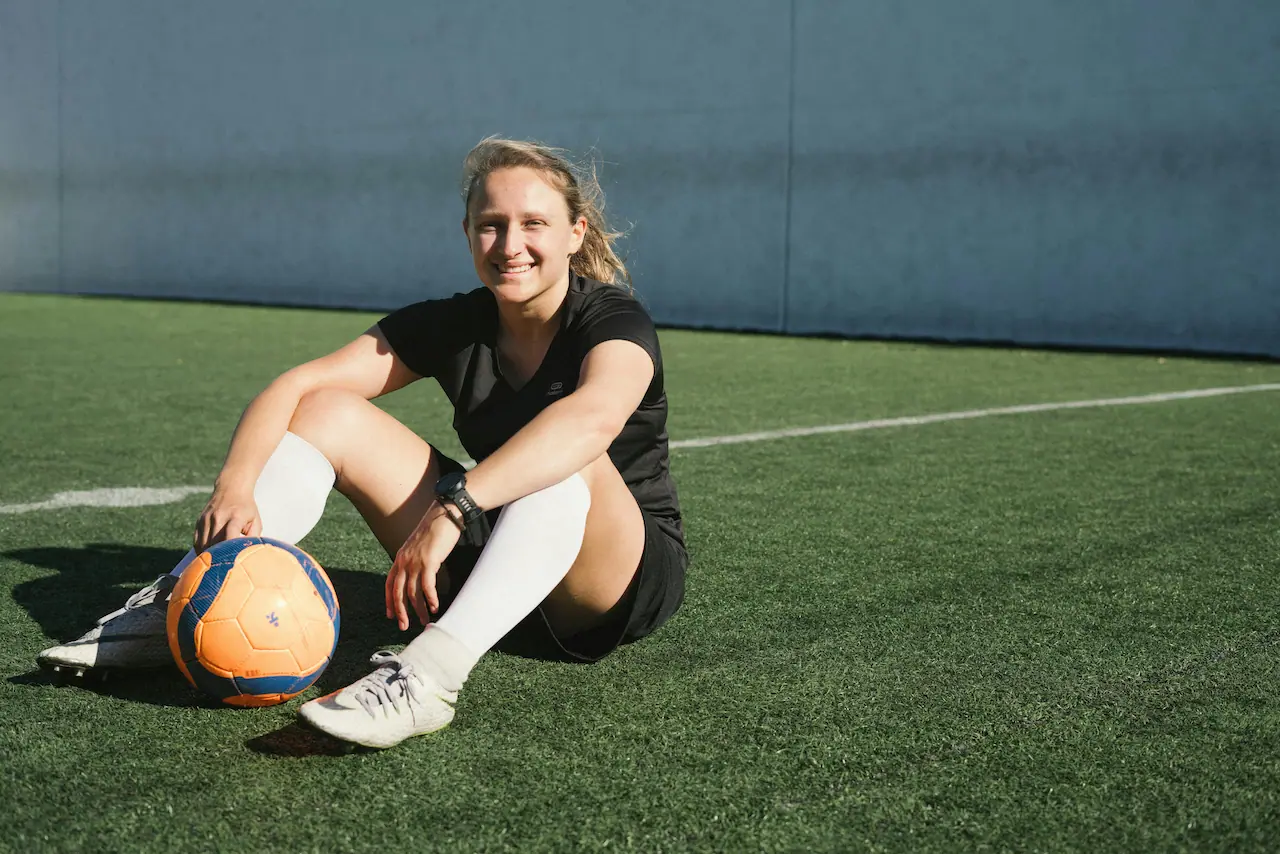
Red flags – when to see a GP or emergency department
While many injuries can be managed with allied health support, some signs warrant prompt medical review:
- Suspected fracture, dislocation or significant deformity.
- Inability to weight-bear or move a limb due to pain.
- Head injury or suspected concussion (head knock, confusion, vomiting, balance problems).
- Fever, feeling unwell or a very hot, swollen joint (possible infection or inflammatory condition).
- Pain that is severe, worsening, or waking the child at night without clear reason.
In these situations, seeing a GP or local emergency department is recommended, and school concussion or injury policies should be followed where relevant.
How Hornsby Health clinicians assess school sports injuries
At Hornsby Health, our clinicians may start by speaking with the young person and their parent or carer to understand the story behind the injury. This usually includes when and how the problem started, what sports they play, training volume, school PE requirements, any recent growth spurts and how symptoms affect daily life.
Assessment typically includes:
- Observation of posture, walking and basic functional tasks such as squatting or hopping.
- Gentle palpation to locate tender structures and understand which tissues are involved.
- Range-of-motion testing of relevant joints.
- Strength, balance and control tests appropriate to the child’s age and sport.
- Consideration of growth, training load and sport technique where relevant.
Physiotherapists often coordinate assessment and rehab planning for these conditions. Chiropractors may contribute to joint and spinal assessment where suitable, and exercise physiologists can assist older adolescents with graded conditioning programs, cross-training ideas and long-term load planning.
Imaging is not always required, and many paediatric sports injuries are diagnosed clinically. It may be considered via a GP if there is suspicion of fracture, more complex bony or growth-plate injury, or if symptoms are not improving as expected.
Treatment and management options in Hornsby
Management is usually tailored to the young person’s age, sport, school requirements and stage of growth. At Hornsby Health, care may combine education, load modification, exercise and, where helpful, hands-on treatment.
Education and load management
Understanding the nature of the injury and how activity affects it can be reassuring for families. Many parents and young athletes find it helpful to learn how to:
- Adjust training frequency, volume or intensity rather than stopping all activity.
- Plan rest periods and “lighter weeks” across the school term.
- Recognise signs that pain is persisting too long after sport and when to ease back.
- Avoid “pushing through” pain that is not settling between sessions.
Guidance often includes the idea that growth phases and busy seasons may require closer attention to load and recovery.
Exercise and rehabilitation
Exercise programs for school-aged athletes are usually designed to be simple, safe and achievable around school and family life. They may include:
- Gentle range-of-motion and mobility exercises in the early stages after injury.
- Strengthening for key muscle groups, such as calves, thighs, hips and shoulders, depending on the sport and injury.
- Balance and control work to support landing mechanics and change-of-direction tasks.
- Age-appropriate conditioning progressions for returning to running, jumping or throwing.
For overuse injuries and growth-related pain, rehab often focuses on careful, progressive loading rather than complete rest, with adjustments guided by symptoms.
Hands-on treatment options
Some young people find hands-on care helpful as part of their overall plan. Depending on assessment and preferences, our clinicians may offer:
- Gentle soft tissue techniques around irritated or tight muscle groups.
- Joint mobilisation where stiffness is contributing to altered movement patterns.
- Taping strategies to support a joint or muscle while activity is modified.
These approaches are usually integrated with exercise and load management, not used in isolation.
Return-to-sport planning and prevention
A structured, stepwise return to school sport, PE and club training is often important after injury. Plans may include:
- Gradually increasing participation, starting with lower-load drills before contact or full games.
- Using “traffic light” style guidance (for example, green/amber/red tasks) to help families and coaches know what is appropriate.
- Simple warm-up, neuromuscular and strength exercises to reduce the risk of recurrence.
Education on injury prevention for school sports injuries may cover warm-ups, age-appropriate strength training, mixing sports across the year to avoid early specialisation and ensuring adequate rest.
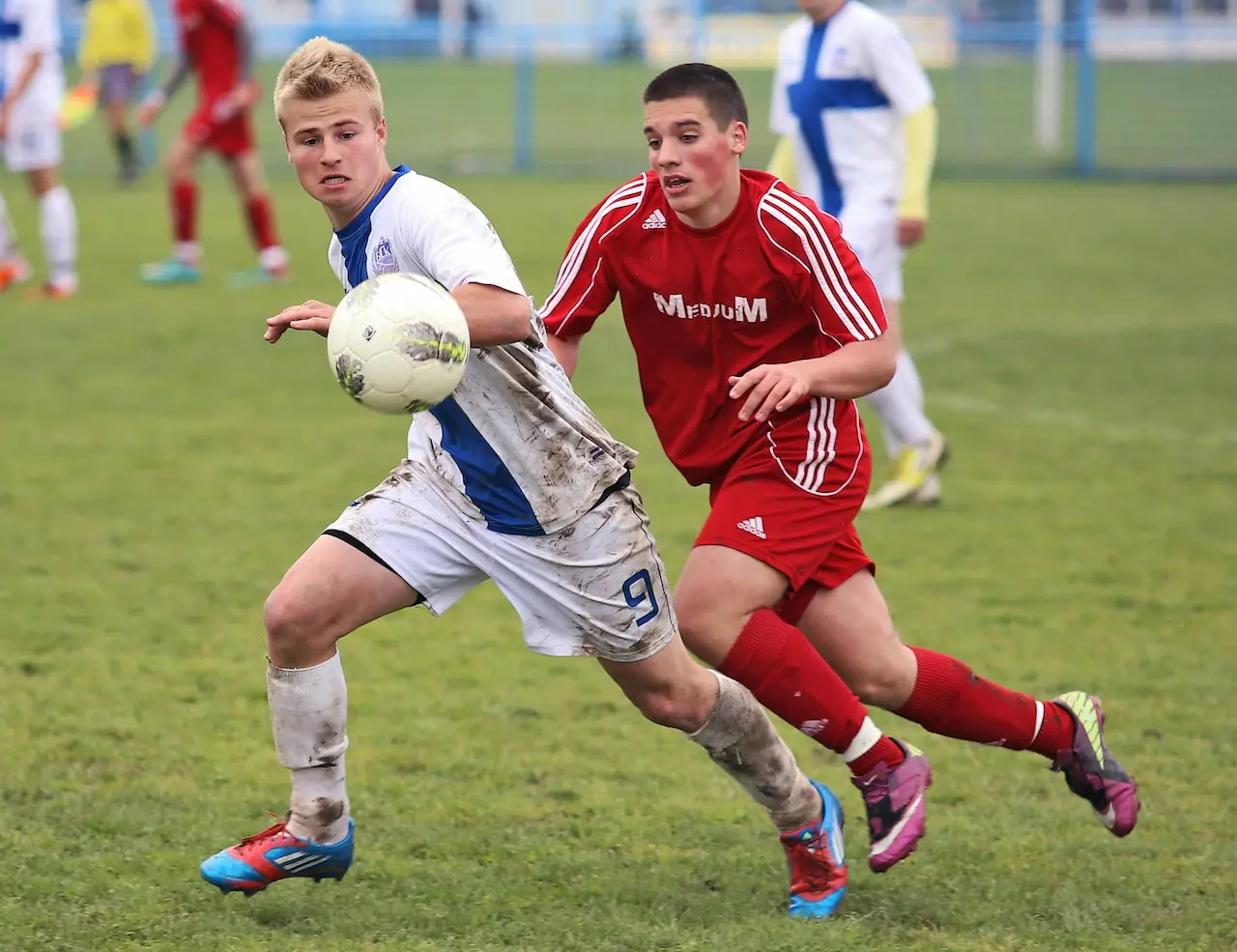
When referral is appropriate
Referral to a GP, sports physician or paediatric specialist may be recommended if:
- Symptoms are severe, worsening or not improving with appropriate conservative management.
- There is concern about growth-plate, spinal or more complex joint pathology.
- Concussion is suspected; school and state concussion guidelines must be followed.
In such cases, collaboration between healthcare providers, school staff, parents and the young person is encouraged.
Common questions about adolescent and school sports injuries in Hornsby
When should we see a physio for a child’s sports injury?
It may be helpful to seek kids sports physio Hornsby support if a child is limping, avoiding usual activities, has pain with sport on most days, or has symptoms that do not settle within several days of rest and basic first aid. Persisting or recurrent pain is a common reason for referral.
Is it safe for kids to play sport with pain?
Minor soreness can be part of normal training, but ongoing or worsening pain, particularly if it causes limping or changes in performance, should be taken seriously. Children should not be encouraged to play through significant or persistent pain.
Do growing pains need treatment?
Some aches during growth can be self-limiting, but “growing pains” should not automatically be assumed. If pain is activity-related, localised to one area, or affects function, assessment is recommended to rule out specific conditions and to guide appropriate activity levels and exercises.
How many sessions will my child need?
The number of sessions varies depending on the type and severity of the injury, the sport load, school demands and how the child responds. Some acute injuries may only require a short block of follow-up, while more complex overuse or growth-related conditions may need a longer, staged plan.
Can sport be good for kids with past injuries?
Yes, for most school-aged children, physical activity is beneficial for health, confidence and social connection. The aim is usually to support safe, sustainable participation, using load management, strength work and good communication between families, clinicians and coaches rather than avoiding sport altogether.
Who this may help in Hornsby and nearby suburbs
Assessment and management for adolescent and school sports injuries at Hornsby Health may suit families living in Hornsby, Waitara, Asquith, Wahroonga, Thornleigh and Mount Colah. Support for school sports injuries may be particularly relevant if your child or teen:
- Has ongoing pain after school sport, PE or training that is affecting participation.
- Is limping, changing how they move, or frequently asking to sit out of activities.
- Is recovering from an acute injury and needs guidance for return to sport and PE.
- Trains or plays in multiple teams and you are concerned about overuse or fatigue.
- Has had more than one injury in a season and would benefit from a more structured strength and load plan.
Our Hornsby Health clinicians aim to communicate clearly with both the young person and their caregivers, and can liaise with schools, GPs and other providers where appropriate.
Next steps
If you are concerned about a young person’s sport-related pain or injury, arranging an assessment can be a helpful first step. An individualised plan may clarify what is going on, outline practical changes for school and sport, and support a graduated return to activity that takes growth and long-term participation into account.
If there is a suspected fracture, significant deformity, head injury or other red flag signs such as fever or severe, unrelenting pain, please seek prompt review with your GP or local emergency department and follow school and sporting concussion or injury policies. For persistent or recurrent kids sports physio Hornsby concerns, booking with a qualified clinician at Hornsby Health can provide tailored guidance on the next steps.
-p-130x130q80.jpg)

.jpg)

Ready to book an appointment with us?
Visit our Online Bookings page where you can see what times are available and book appointments with all our great Physiotherapists, Chiropractors, and Exercise Physiologists in Hornsby. You can also find us and book appointments via HotDoc and HealthEngine.
Rather speak to someone? Simply give us a call on 02 8428 0528 and our friendly receptionists can help you find a time that suits, and answer any questions you might have.


