
Back Pain Treatment in Hornsby
%20(1).svg)
.svg)

Back Pain Treatment in Hornsby
Back pain can be unsettling - whether it starts suddenly after lifting, builds over time from long hours sitting, or keeps coming back just when you think it’s settled. The good news is that most back pain is manageable, and many people improve with the right guidance and a plan that suits their situation.
At Hornsby Health, we provide back pain treatment in Hornsby through a multi-disciplinary team offering physiotherapy, chiropractic and exercise physiology. If you’re looking for a back pain physio in Hornsby or a back pain chiropractor in Hornsby, we can help and provide an individual assessment that can clarify what’s going on and what approach may be appropriate for you.
What is back pain?
“Back pain” is a broad term that can include discomfort anywhere from the mid-back (thoracic spine) to the low back (lumbar spine), and sometimes into the buttock or leg. Back pain is often related to irritation or sensitivity in muscles, joints, discs, or nerves — and it can be influenced by a mix of physical, lifestyle and stress-related factors.
Common causes and contributing factors
Back pain isn’t always caused by one single “thing”. Common contributors can include:
- Sudden changes in activity (e.g. a big day of lifting, gardening, moving house)
- Prolonged sitting or awkward postures at work
- Reduced strength or conditioning, especially after a period of inactivity
- Repetitive bending, twisting or heavy loads (common in trades and active jobs)
- Sports and gym-related strain or overload
- Poor sleep, high stress, or low recovery (which can increase pain sensitivity)
- Previous episodes of back pain (recurrence is common)
In some cases, back pain may also be associated with nerve irritation (often felt as pain, tingling or numbness into the leg), or with underlying health issues that require medical assessment.

Typical symptoms
Back pain can present in different ways, including:
- Localised ache or stiffness in the low back or mid-back
- Pain with bending, lifting, sitting or standing for long periods
- Muscle spasm or a feeling of “tightness”
- Pain that refers into the buttock or thigh
- Pins and needles, numbness, or pain travelling below the knee (possible nerve involvement)
- Reduced confidence with movement due to fear of aggravating symptoms
Red flags: when to seek urgent medical care
Most back pain is not dangerous, but some symptoms require prompt medical review. Seek urgent care (GP, urgent care, or emergency services as appropriate) if you have:
- New changes in bladder or bowel control, or numbness in the groin/saddle area
- Significant trauma (e.g. fall from height, car accident) with severe pain
- Progressive weakness in a leg or difficulty walking that is worsening
- Fever, unexplained weight loss, or feeling very unwell alongside new back pain
- A history of cancer, osteoporosis, or immune suppression with new severe back pain
- Pain that is constant and severe at rest, especially if it is worsening
If you’re unsure, it’s appropriate to seek medical advice.
How we approach back pain treatment at Hornsby Health
Back pain treatment works best when it’s matched to what you're feeling and experiencing, your goals and comfort level. At Hornsby Health, we focus on a clear assessment, simple explanations, and a plan that helps you stay active safely.
1) Assessment and diagnosis
Your appointment typically includes:
- A discussion about how the pain started, what aggravates it, and how it affects your life
- Screening questions to identify any red flags or reasons to refer for medical review
- Physical examination of posture, movement, strength and functional tasks
- Neurological checks if symptoms suggest nerve involvement (e.g. leg pain, tingling, numbness)
- Clarifying your goals (e.g. returning to work, lifting, sport, walking, gym, or improving sleep)
If imaging is relevant, your practitioner may discuss this with you and/or recommend liaising with your GP. Many episodes of back pain can be managed effectively without scans, but imaging can be helpful in specific scenarios.

2) Management options (what treatment may include)
Depending on your needs, treatment may involve one or more of the following:
Physiotherapy for back pain in Hornsby
A physiotherapist in Hornsby may focus on improving movement, reducing sensitivity, and restoring strength and function. This often includes education, graded activity, and an exercise plan designed around your work and lifestyle.
Chiropractic care for back pain in Hornsby
A back pain chiropractor in Hornsby may use hands-on care such as mobilisation or manipulation when appropriate, alongside advice and exercises. Hands-on techniques can be helpful for some people to improve movement and manage symptoms in the short term, particularly when combined with active rehabilitation.
Exercise physiology for long-term resilience
An exercise physiologist in Hornsby can help build strength and conditioning to support your back over time — especially if deconditioning, persistent pain, or general fitness is part of the picture. Programs are progressed gradually and are tailored to your capacity and goals.
Education and confidence with movement
Many people feel worried about bending, lifting or exercising after back pain. Your practitioner can help you understand what’s safe, how to pace activity, and how to respond if symptoms flare.
Practical load management
Back pain is often influenced by how much load your body is dealing with (work tasks, sport, parenting, sleep, stress). Treatment may include planning short-term modifications and easing back to normal activities.

3) Team-based care (when useful)
Because Hornsby Health offers physiotherapy, chiropractic and exercise physiology, your care can be coordinated if needed. Some people start with one service and transition to another as symptoms settle and goals change — for example, from symptom management to strength and conditioning.
Common questions about back pain treatment in Hornsby
When should I see a physio or chiro for back pain?
Consider booking an assessment if back pain is affecting your work, sleep, exercise, or daily activities, if it keeps recurring, or if you’re unsure what movements are safe. If you have red-flag symptoms (such as changes in bladder/bowel control, significant trauma, fever, or worsening weakness), seek urgent medical review first.
What should I expect at my first appointment?
Your first appointment will usually include a detailed history, a physical assessment, and a conversation about goals and options. You should leave with a clearer understanding of what may be contributing to your pain and a practical plan. If hands-on treatment is appropriate and you consent, it may be included — but it’s typically combined with advice and exercise.
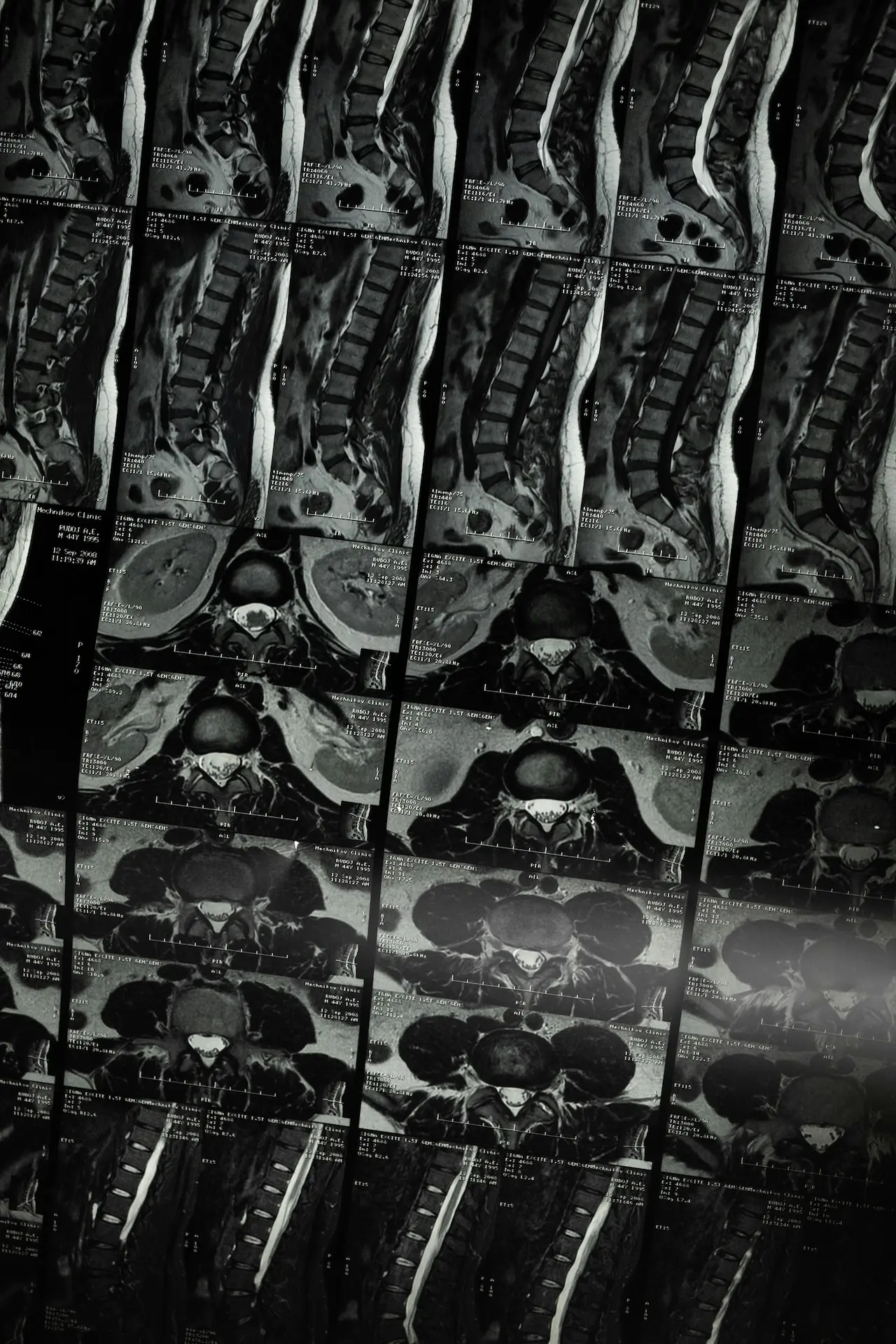
Do I need scans (X-ray or MRI) for back pain?
Not always. Many people with back pain improve without imaging. Scans may be recommended if there are red flags, significant nerve symptoms, trauma, or if symptoms aren’t improving as expected. Your practitioner can discuss whether imaging is likely to be helpful in your situation.
How long does back pain usually take to settle?
Timeframes vary. Some episodes improve within days to weeks, while others can take longer, especially if pain has been present for months, workloads are high, or there are multiple contributing factors. After assessment, your clinician can outline general expectations and review progress over time, while acknowledging individual variation.
Can exercise make back pain worse?
The right kind of exercise, progressed at the right pace, is often helpful — but doing too much too soon can aggravate symptoms. A tailored program can help you stay active safely, build tolerance, and reduce the fear of movement. If you’re also managing other health concerns, an exercise physiologist can adjust exercise selection and intensity accordingly.
I sit at a desk all day — could that be causing my back pain?
Prolonged sitting can contribute to back stiffness or discomfort for some people, especially with low movement variety during the day. However, it’s rarely just posture alone. A useful approach often includes regular movement breaks, strength and conditioning, and workstation strategies that fit your routine.
Who we help in Hornsby and nearby suburbs
We support adults from Hornsby and surrounding areas including Waitara, Asquith, Wahroonga, Thornleigh and Mount Colah. Back pain can affect people in many different situations, such as:
- Office workers managing stiffness and flare-ups from prolonged sitting and stress
- Tradespeople and active workers with lifting-related pain or repetitive strain
- Parents and carers who are frequently bending, carrying and on the move
- Older adults wanting to stay mobile and confident with daily tasks
- Gym-goers and local sports participants returning after a strain or recurring flare-ups
- People with persistent pain who want a plan that balances symptom management with rebuilding strength
If your back pain is affecting what you can do — whether that’s work, walking, training, or simply getting a good night’s sleep — it’s reasonable to seek guidance.
Next steps
If you’re looking for back pain treatment in Hornsby, a personalised assessment can help clarify what’s contributing to your symptoms and what options may suit you. If symptoms persist, recur, or are worrying, it’s worth getting the right advice sooner rather than relying on guesswork.
If you live in or around Hornsby and would like an assessment, contact Hornsby Health on 02 8428 0528 to discuss whether an appointment may be appropriate for you.
-p-130x130q80.jpg)

.jpg)

Ready to book an appointment with us?
Visit our Online Bookings page where you can see what times are available and book appointments with all our great Physiotherapists, Chiropractors, and Exercise Physiologists in Hornsby. You can also find us and book appointments via HotDoc and HealthEngine.
Rather speak to someone? Simply give us a call on 02 8428 0528 and our friendly receptionists can help you find a time that suits, and answer any questions you might have.


