
Exercise for diabetes management in Hornsby
%20(1).svg)
.svg)

Exercise for diabetes management in Hornsby
Exercise is an important part of day‑to‑day life for many adults in Hornsby, whether that is walking local streets, using home equipment or joining a gym or group class. For people living with diabetes or at higher risk, structured exercise for diabetes Hornsby programs may help support blood glucose management, heart health and overall wellbeing alongside medical care.
Working with a diabetes exercise physiologist can be helpful for people who would like guidance on safe types and amounts of activity, especially if they have other health conditions, are taking glucose‑lowering medications or have not exercised regularly for some time. Individual assessment is important because responses to exercise vary between people.

What is exercise-based diabetes management?
Exercise‑based diabetes management refers to the use of planned physical activity, often guided by an exercise physiologist or broader health team, as part of a wider plan to help manage diabetes, pre‑diabetes or cardiometabolic risk. It usually sits alongside medical care, nutrition, sleep and other lifestyle measures, rather than replacing them.
Guidelines highlight that regular physical activity is one of the cornerstones of diabetes management and prevention. Adults with diabetes are commonly advised to accumulate around 150 minutes per week of moderate to vigorous activity, spread across most days, with resistance training at least twice a week, tailored to the individual’s health status.
How exercise may help people with diabetes
Research suggests that regular physical activity can:
- Improve how the body responds to insulin and uses glucose.
- Support reductions in average blood glucose levels (for example, HbA1c) in many adults.
- Assist with blood pressure, cholesterol, cardiovascular fitness and weight management.
- Help maintain muscle mass and function, which becomes more important with age.
Both aerobic exercise (such as walking, cycling or swimming) and resistance training (using bodyweight, bands or weights) are often recommended, as combined programs appear to have particular benefits for glycaemic control and overall health.
Symptoms, safety considerations and red flags
People with diabetes may notice different responses to activity depending on their medications, blood glucose patterns and other health conditions. Potential issues include low blood glucose (hypoglycaemia), fluctuations in glucose around exercise and interactions with blood pressure or cardiac conditions.
It is important to seek prompt medical advice (GP or emergency department) if exercise triggers:
- Chest pain, tightness or unexplained breathlessness.
- Dizziness, fainting or feeling very unwell.
- Signs of severe hypoglycaemia, such as confusion, difficulty speaking or loss of consciousness.
- Unusual or sudden leg pain with colour changes in the feet, or non‑healing ulcers.
Working with your GP and diabetes care team to check for cardiovascular, eye, kidney or nerve complications before starting or significantly changing a program is advisable, especially if you have had diabetes for several years or have other health conditions.
How Hornsby Health clinicians assess exercise and diabetes needs
Our clinicians may begin by taking a detailed history that covers your diabetes status (for example, type 2 diabetes, previous gestational diabetes, pre‑diabetes or elevated risk), medications, other medical conditions and previous exercise experiences. They may also ask about your blood glucose monitoring approach, any history of hypoglycaemia, and your priorities for health, work and daily life.
An assessment with an exercise physiologist typically explores:
- Current activity levels, sedentary time and barriers to exercise.
- Blood pressure, heart rate and general cardiovascular risk factors (within their scope, and with your GP where appropriate).
- Functional capacity, such as walking tolerance, sit‑to‑stand ability and balance.
- Muscle strength and joint mobility.
- Any diabetes‑related complications that may influence exercise selection, such as peripheral neuropathy or foot issues.
Physiotherapists may also be involved when musculoskeletal pain or injury is present, helping to adjust exercise choices, while chiropractors can contribute spinal and joint assessment where appropriate. Exercise physiologists often focus on designing and progressing the longer‑term activity plan, in collaboration with your medical team.
Where indicated, clinicians may suggest liaising with your GP or endocrinologist to coordinate medication timing and glucose monitoring around exercise, especially for those using insulin or certain glucose‑lowering agents.

Treatment and management options in Hornsby
Management usually focuses on building a realistic, safe and sustainable activity routine rather than quick changes. At Hornsby Health, we may combine education, individualised exercise prescription and ongoing review, in line with national and international recommendations.
Education and planning
Education often covers:
- The role of different exercise types (aerobic, resistance and balance) in diabetes management.
- How to progress from current levels towards guideline‑aligned activity, in a way that feels achievable.
- Recognising and managing hypoglycaemia or hyperglycaemia around exercise, in conjunction with your diabetes team.
- Strategies for breaking up long sitting time with light movement across the day.
Many people find that understanding the “why” behind recommendations supports motivation and confidence to exercise.
Individualised exercise prescription
An exercise physiologist may design a program that takes into account joint health, fitness level, access to facilities and medical considerations. This can include:
- Aerobic activities such as walking, cycling, swimming or low‑impact classes, gradually building towards at least 150 minutes of moderate to vigorous activity per week, where appropriate.
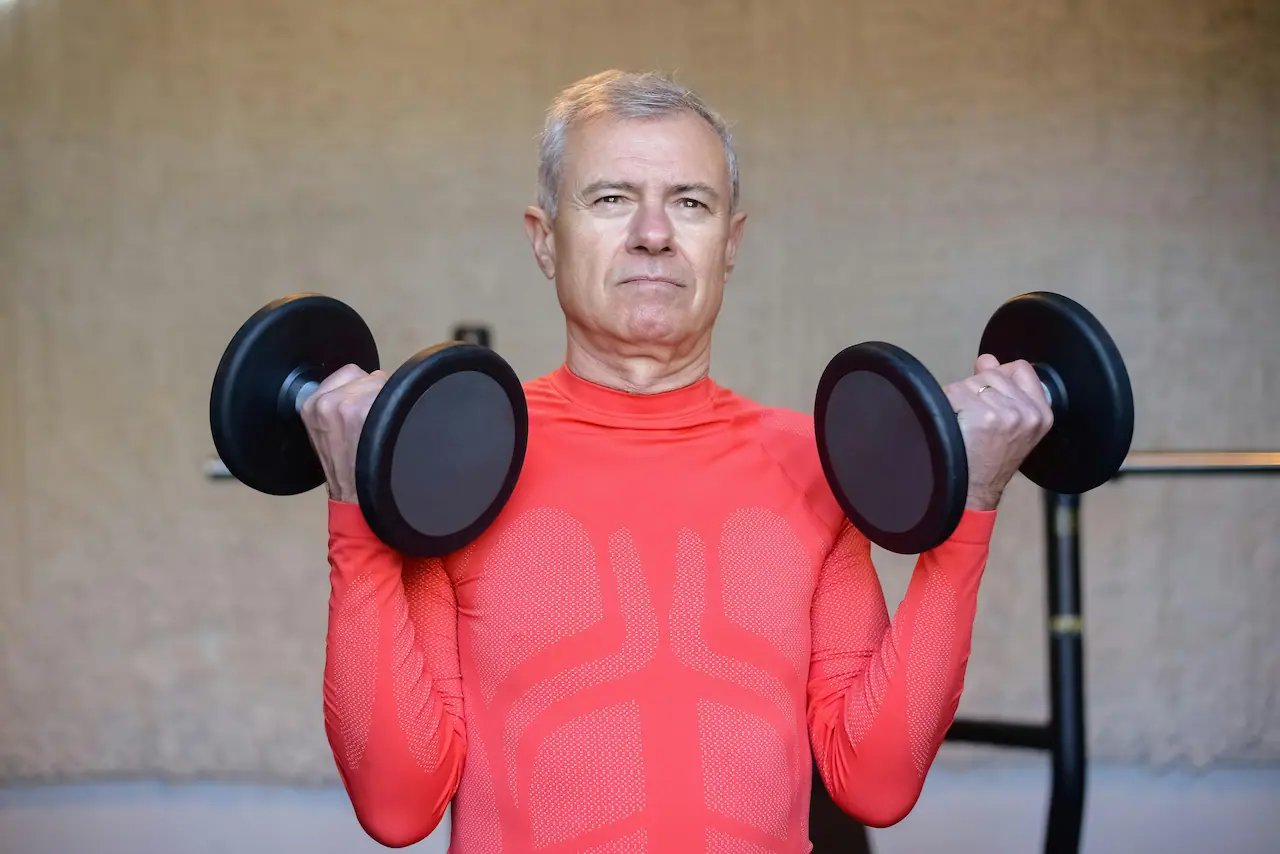
- Resistance exercises targeting major muscle groups (for example, legs, back, chest and arms) at least twice per week, with 2–4 sets of 8–10 repetitions suggested in some position statements, adjusted to individual tolerance.
- Balance and mobility exercises to support confidence and reduce fall risk, especially for older adults.
Programs are typically progressed in stages, with adjustments based on blood glucose responses, fatigue, joint comfort and wider health considerations.
Self-management strategies
Self‑management is an important part of care and may include:
- Building short, achievable bouts of movement into the day, such as brief walks or light activity breaks.
- Planning exercise timing relative to meals and medications, with guidance from your medical team.
- Using home‑based options if access to formal facilities is limited.
- Keeping simple records of activity and, where appropriate, glucose patterns to discuss with your clinicians.
Many guidelines encourage people with diabetes to minimise prolonged sitting and to include some movement on most, preferably all, days of the week.

Coordination with broader diabetes care
Exercise‑based management is usually most effective when coordinated with other aspects of diabetes care, such as nutrition, medication and regular medical review. Our clinicians may encourage communication between you, your GP, diabetes educator, dietitian and other relevant providers to ensure the exercise plan fits safely within your overall management.
When referral is appropriate
Referral or co‑management with a GP, endocrinologist or cardiologist may be particularly important if:
- You have known cardiovascular disease or significant risk factors.
- You experience chest pain, unusual breathlessness or concerning symptoms with activity.
- There are advanced complications such as severe neuropathy, proliferative retinopathy or significant kidney disease.
In these cases, exercise may still be possible and beneficial, but the plan often requires closer medical supervision and specific precautions.
Common questions about exercise and diabetes in Hornsby
How much exercise is usually recommended for adults with diabetes?
Many guidelines suggest aiming for at least 150 minutes per week of moderate to vigorous aerobic activity, with resistance training on at least two days, adjusted for individual health and capacity. Some position statements recommend around 210 minutes of moderate activity where possible, with no more than two consecutive days without exercise.
Can exercise help if I do not lose weight?
Yes. Evidence indicates that regular exercise can improve blood glucose control, insulin sensitivity, blood pressure, lipids and fitness even in the absence of significant weight loss. These changes may contribute to better health and reduced risk of complications over time.
Is it safe to start exercising if I have not been active for years?
Many people who have been inactive can start light, supervised activity and gradually progress, but safety checks are important. It is usually recommended to discuss plans with your GP, particularly if you have cardiovascular risk factors or diabetes complications, and to consider guidance from an exercise physiologist.
How many sessions will I need with an exercise physiologist?
The number of sessions varies depending on your goals, health status and how confident you feel self‑managing your program. Some people benefit from a short block of appointments to establish and adjust a plan, while others with more complex health needs may prefer longer‑term review and support.
Can exercise replace my diabetes medication?
Exercise is usually considered an important addition to, not a replacement for, prescribed medications and nutrition plans. Any changes to medication should be made by your GP or specialist, often based on overall glucose patterns and broader health considerations, rather than exercise alone.
Who this may help in Hornsby and nearby suburbs
Exercise‑based support at Hornsby Health may be suitable for adults living or working in Hornsby, Waitara, Asquith, Wahroonga, Thornleigh and Mount Colah. Working with a diabetes exercise physiologist Hornsby service may be particularly relevant if you:
- Have type 2 diabetes and would like a practical, individualised exercise plan.
- Have been told you have pre‑diabetes or higher risk and want to be more active safely.
- Take glucose‑lowering medications and would like guidance on timing, monitoring and exercise choice.
- Live with other health conditions (for example, heart or joint issues) and would value professional support.
- Have tried to start exercising in the past but found it difficult to maintain or progress.
At Hornsby Health, our clinicians may tailor programs to your circumstances, whether you prefer walking in local parks, exercising at home, or using a community or gym environment.
Next steps
If you live with diabetes or are at higher risk and would like to use exercise more purposefully, arranging an assessment can be a helpful first step. An individualised plan for exercise for diabetes Hornsby residents may assist you to build movement into your week in a gradual, safe and sustainable way alongside your medical care.
If you experience chest pain, severe breathlessness, marked dizziness, signs of significant hypoglycaemia or other concerning symptoms with activity, please seek prompt advice from your GP or local emergency department. For ongoing support with exercise planning, glucose‑aware activity and broader health goals, call us today on 02 8428 0528 to make a booking with a qualified clinician at Hornsby Health who can provide tailored guidance on suitable next steps.
-p-130x130q80.jpg)

.jpg)

Ready to book an appointment with us?
Visit our Online Bookings page where you can see what times are available and book appointments with all our great Physiotherapists, Chiropractors, and Exercise Physiologists in Hornsby. You can also find us and book appointments via HotDoc and HealthEngine.
Rather speak to someone? Simply give us a call on 02 8428 0528 and our friendly receptionists can help you find a time that suits, and answer any questions you might have.


