
Exercise for heart health in Hornsby
%20(1).svg)
.svg)

Exercise for heart health in Hornsby
Many people are looking for practical ways to support their heart health alongside medical care. Structured heart health exercise programs may help people living with heart disease, high blood pressure or raised cholesterol to be active in a way that is as safe and sustainable as possible for their situation.
Working with services that understand cardiac rehab exercise needs can be particularly useful after a recent cardiac event, when living with established heart disease, or when managing elevated blood pressure and cholesterol. Individual assessment is important because exercise responses and risks differ between people.

What is exercise for heart disease, high blood pressure and cholesterol?
In this context, exercise refers to planned, structured physical activity used as part of a broader plan to help manage cardiovascular risk and support recovery after heart‑related events. It usually includes aerobic activity (like walking or cycling) and resistance training (strength work) at levels matched to each person’s health status and goals.
Guidelines for adults with cardiovascular disease or risk factors often build on general physical activity recommendations, such as aiming for around 150–300 minutes of moderate‑intensity aerobic activity per week, or 75–150 minutes of vigorous activity, plus muscle‑strengthening exercises on at least two days, adapted as needed for safety and tolerance.
How exercise may help
Evidence suggests that, when appropriately prescribed and monitored, regular exercise can:
- Help lower resting blood pressure and support more stable readings over time.
- Contribute to favourable changes in blood lipids, including triglycerides and some cholesterol measures.
- Improve cardiorespiratory fitness, which is associated with lower cardiovascular risk.
- Support weight management, blood sugar control and mental wellbeing.
- Enhance everyday physical function and confidence after cardiac events in many people.
Cardiac rehabilitation and other structured programs typically combine exercise with education and risk‑factor management, as this joined‑up approach is associated with better outcomes than usual care alone in many studies.
Safety considerations and red flags
Not all exercise is suitable for everyone at all times, particularly soon after a heart event or for people with unstable symptoms. Common guidance emphasises the need to seek prompt medical review (GP or emergency department) if activity triggers:
- Chest pain, pressure, heaviness or unexplained discomfort in the upper body.
- New or worsening shortness of breath at low effort.
- Dizziness, fainting or feeling as though you may pass out.
- Palpitations with feeling unwell, or marked, sudden changes in heart rate.
- Severe leg pain with colour changes or non‑healing wounds on the feet.
A medical check‑up is usually advised before significantly increasing activity if you have known heart disease, very high blood pressure, symptomatic arrhythmias, severe valve disease, or other complex conditions.
How Hornsby Health clinicians assess heart health exercise needs
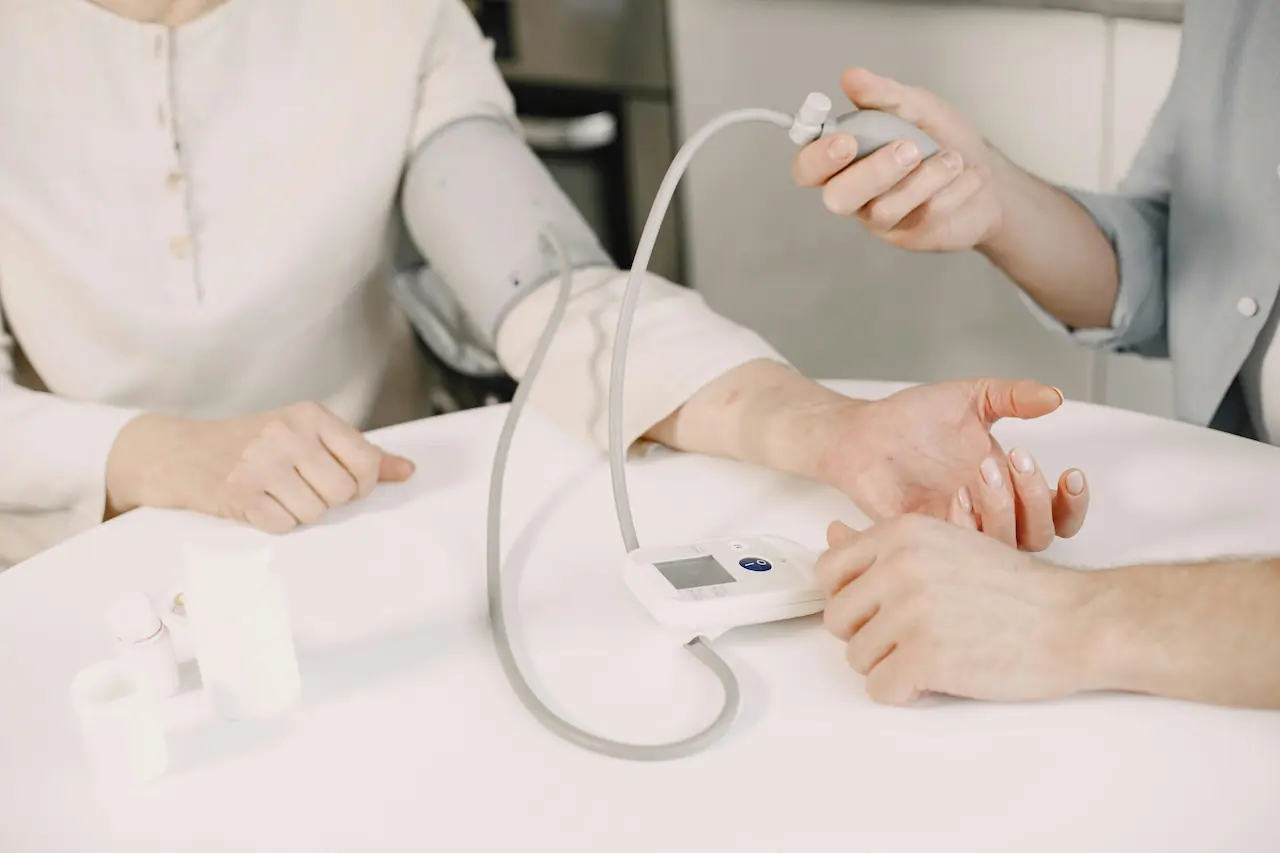
At Hornsby Health, our clinicians may begin by taking a detailed health history, including past heart events (such as heart attack, stent or surgery), diagnoses like coronary artery disease or heart failure, blood pressure and cholesterol patterns, and other conditions such as diabetes or arthritis. They may also ask about current medications, especially those affecting heart rate and blood pressure.
An assessment with an exercise physiologist or physiotherapist typically considers:
- Resting measures such as heart rate and blood pressure (within their scope, and alongside medical results where available).
- Functional capacity, for example walking distance, sit‑to‑stand ability and basic balance.
- Muscular strength and joint mobility, to help plan safe exercise choices.
- Any previous experience with structured cardiac rehab exercise Hornsby or similar programs.
- Personal goals, such as walking around the neighbourhood, returning to light work or managing family responsibilities.
Physiotherapists may focus on musculoskeletal issues that limit movement, while exercise physiologists often lead longer‑term cardiovascular exercise planning. Chiropractors can contribute to joint and spinal assessment where appropriate. Clinicians may also review referring medical information when available, reflecting recommendations that cardiac rehabilitation programs assess physical function and relevant clinical results before prescribing exercise.
Where needed, they may suggest discussing further tests or cardiac review with your GP or cardiologist before progressing intensity, especially if there are concerns about stability or undiagnosed symptoms.
Treatment and management options in Hornsby
Management generally focuses on building a realistic, safe and sustainable activity routine that complements medical treatment. At Hornsby Health, support for heart health typically combines education, tailored exercise and ongoing monitoring, adapted to individual needs.
Education and planning
Education may cover:
- The role of different exercise types (aerobic, resistance, flexibility and balance) in managing cardiovascular risk.
- How to interpret general physical activity guidelines in the context of your diagnosis and treatments.
- Recognising when exercise feels appropriately challenging versus when to ease off or stop.
- The importance of regular, smaller bouts of movement rather than occasional large efforts.
Some people find that understanding mechanisms such as how regular activity can contribute to anti‑atherosclerotic, anti‑thrombotic and anti‑ischaemic effects supports confidence in committing to a program, while still acknowledging that outcomes vary.
Individualised exercise prescription
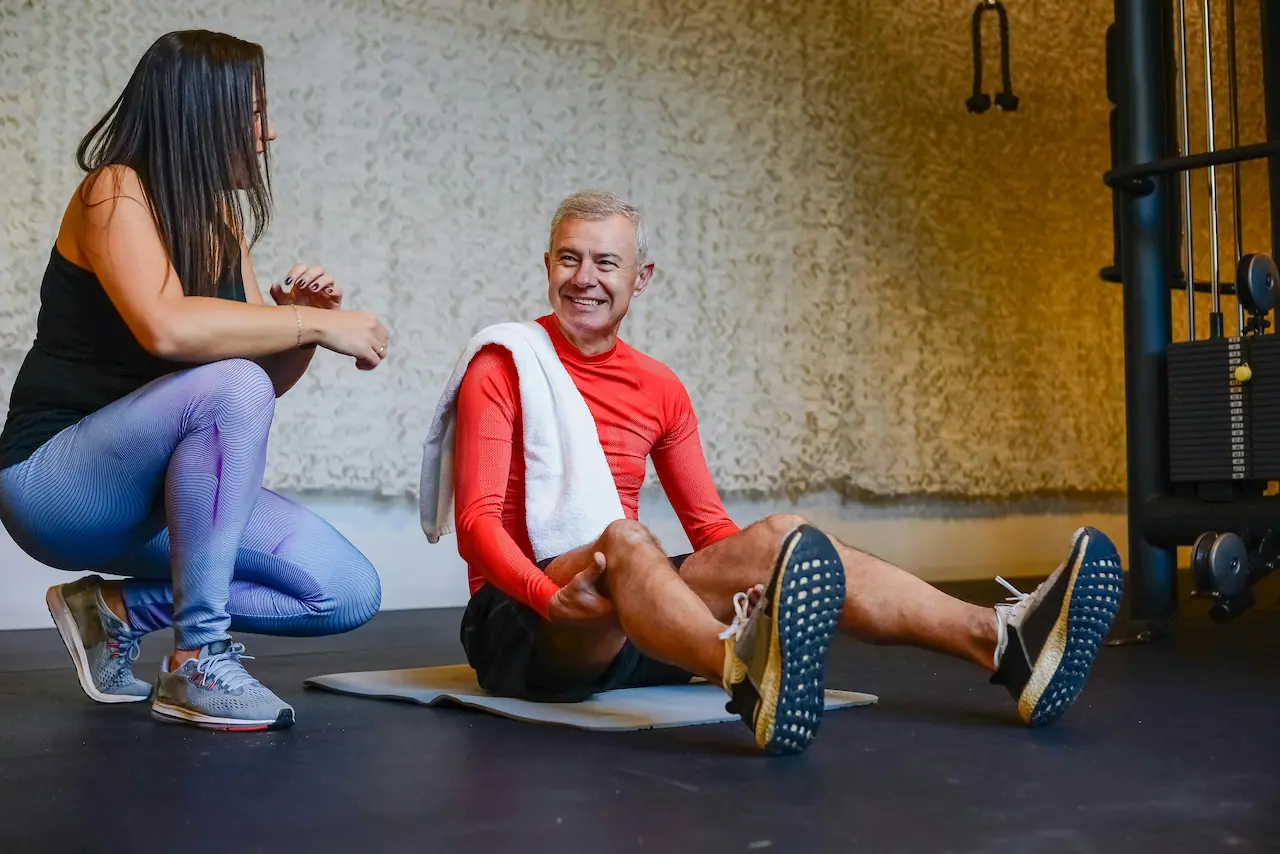
An exercise physiologist may design a program that considers your cardiac history, joint health, preferences and access to venues. Common components, adjusted for each person, include:
- Aerobic training such as walking (indoor or outdoor), stationary cycling or similar low‑impact options, often starting at light to moderate intensity and building towards durations like 20–30 minutes per session on most days, where appropriate.
- Resistance training using simple strength exercises for major muscle groups with body weight, bands or light weights, usually on 2–3 days per week in stable patients, as recommended by several cardiac and exercise position statements.
- Warm‑up and cool‑down periods to gradually transition into and out of activity and support heart and blood pressure responses.
- Balance and mobility work, particularly for older adults, to support safety and independence.
For people with high blood pressure or cholesterol but without recent cardiac events, guidance often suggests exercise can follow general physical activity recommendations, with emphasis on moderate intensity and regular frequency, tailored to risk level.
Monitoring and progression
Progression is usually gradual, with attention to:
- Symptom responses (such as breathlessness, fatigue and any chest discomfort).
- Heart rate and blood pressure responses where appropriate and feasible.
- How exercise fits alongside other treatments and day‑to‑day responsibilities.
Cardiac rehabilitation literature highlights that programs are safer and more effective when exercise is built on a thorough assessment, uses light‑to‑moderate intensities initially, and includes both aerobic and resistance components for appropriate patients.
Self‑management strategies
Self‑management is encouraged, with strategies such as:
- Incorporating short walks into the day, particularly if you have a sedentary job.
- Using simple tools (like pacing your talking while walking) to gauge intensity, where medically appropriate.
- Planning rest days and lighter sessions, especially early on or during other health fluctuations.
Many guidelines promote reducing prolonged sitting and aiming for some movement on most days, even if this starts with light activity and builds slowly.

When referral or co‑management is appropriate
Exercise‑based care is usually part of a broader team approach. Referral or close co‑management with a GP or cardiologist is particularly important if:
- There has been a recent heart attack, surgery, stent or hospitalisation.
- You have unstable angina, significant valve disease, advanced heart failure or complex arrhythmias.
- Symptoms arise that suggest instability or new disease progression.
Depending on local services, formal cardiac rehabilitation programs may be recommended after significant events, with community‑based exercise physiology support often playing a role in longer‑term maintenance.
Common questions about heart health exercise in Hornsby
How much exercise is usually recommended for heart health?
For many people, recommendations suggest around 150–300 minutes of moderate‑intensity aerobic activity per week, plus strength training on at least two days, with adjustments based on individual heart conditions and risk. Some guidance also highlights benefits from higher intensities in selected stable patients, but this requires careful assessment.
Can exercise really help blood pressure and cholesterol?
Evidence indicates that regular moderate exercise can lower blood pressure in many people and may improve triglycerides and some cholesterol measures, particularly when combined with other treatments. Effects can vary, and medication or dietary changes may still be needed, as advised by your doctor.
Is it safe to exercise after a heart attack or stent?
For many people, yes—once medically stable, exercise is a standard part of cardiac rehabilitation. However, type, timing and intensity should be guided by your cardiologist and a team familiar with cardiac rehab exercise needs, rather than self‑directed higher‑intensity exercise early on.
Do I need to be very fit before starting?
No. Cardiac and blood pressure guidelines emphasise that benefits can begin with low to moderate intensity activity, even in previously inactive adults, provided medical checks are appropriate. Programs typically start at a manageable level and progress gradually.
How many sessions will I need?
The number of sessions depends on your medical history, confidence with self‑management and goals. Some people attend a structured rehabilitation or exercise physiology program for a set period, then transition to independent exercise with occasional reviews, while others prefer longer‑term support.
Who this may help in Hornsby and nearby suburbs
Heart‑focused exercise and lifestyle support at Hornsby Health may suit adults living or working in Hornsby, Waitara, Asquith, Wahroonga, Thornleigh and Mount Colah. Working with clinicians experienced in heart health exercise care may be particularly relevant if you:
- Have coronary heart disease, a history of heart attack or stent, and want guidance on being active safely.
- Live with high blood pressure or cholesterol and would like structured support alongside medical treatment.
- Have multiple risk factors (such as diabetes, smoking history or family history) and would like a gradual, tailored plan.
- Feel unsure how hard to push yourself during walks or other activities.
- Are returning to day‑to‑day tasks or work after a cardiac event and want to build confidence with movement.
Our clinicians at Hornsby Health may shape programs around your preferences, whether that is home‑based activity, local walking routes or exercise in a community or gym environment.
Next steps
If you live with heart disease, high blood pressure or cholesterol and would like to use exercise more purposefully, arranging an assessment can be a constructive step. An individualised plan for heart health may help you build activity into your week in a measured way that works alongside your medical care.
If you experience chest pain, marked breathlessness at low effort, dizziness, fainting or other concerning symptoms with activity, please seek prompt review from your GP or local emergency department. For ongoing questions about safe exercise levels, blood pressure, cholesterol and recovery after cardiac events, contact us at Hornsby Health on 02 8428 0528 where booking with a qualified clinician can provide tailored guidance on appropriate next steps.
-p-130x130q80.jpg)

.jpg)

Ready to book an appointment with us?
Visit our Online Bookings page where you can see what times are available and book appointments with all our great Physiotherapists, Chiropractors, and Exercise Physiologists in Hornsby. You can also find us and book appointments via HotDoc and HealthEngine.
Rather speak to someone? Simply give us a call on 02 8428 0528 and our friendly receptionists can help you find a time that suits, and answer any questions you might have.


