
Falls prevention and balance exercise in Hornsby
%20(1).svg)
.svg)

Falls prevention and balance exercise in Hornsby
As people get older, staying steady on their feet becomes increasingly important for keeping up with daily life. Structured falls prevention exercise programs may help older adults improve balance, strength and confidence with everyday activities such as walking, stairs and getting in and out of chairs.
Targeted balance training services can be particularly helpful if you feel unsteady, have had a recent fall, or are simply keen to maintain independence. Exercise programs that include challenging balance and leg‑strength components can reduce falls in older adults when performed regularly, although the level of benefit varies between individuals.

What is falls-prevention exercise?
Falls‑prevention exercise refers to programs that focus on improving balance, lower‑limb strength, mobility and confidence, with the aim of reducing the likelihood and impact of falls in older adults living in the community. These programs often form part of broader healthy‑ageing strategies that may also address home hazards, footwear, vision and medications.
Research and guideline documents report that:
- Around 30% of people over 65 living in the community experience at least one fall each year, with this proportion increasing with age.
- Multi‑component exercise programs that include moderate‑ to high‑challenge balance work and leg strengthening can reduce falls and fall‑related injuries for many older adults.
- Greater benefits are seen when balance exercises are performed for more than three hours per week and make up a substantial portion of the program.
Causes, contributors and symptoms of balance problems
Falls risk and balance changes are influenced by a mix of intrinsic and extrinsic factors, including:
- Age‑related changes in muscle strength, reaction time and sensation.
- Long‑term health conditions, such as arthritis, stroke, Parkinson’s disease, heart or lung disease.
- Vision changes, inner ear (vestibular) issues and some medications.
- Reduced physical activity and loss of confidence after a fall.
- Home and community hazards, such as poor lighting, uneven paths or clutter.
People may notice unsteadiness, slower walking, difficulty turning quickly, needing to use furniture for support, or worry about leaving the house, all of which can be signals that an assessment could be useful.
Red flags – when to see a GP or emergency department
While many balance concerns can be addressed through community‑based exercise and allied health care, some signs warrant prompt medical review:
- Falls with head injury, loss of consciousness or confusion.
- Sudden onset of weakness, facial droop, speech changes or severe dizziness (possible stroke or other acute condition).
- Chest pain, palpitations or breathlessness at low effort.
- New, unexplained balance problems associated with severe headache, vision loss or neurological symptoms.
In these situations, seeing a GP or local emergency department is recommended before starting or progressing an exercise program.
How Hornsby Health clinicians assess balance and falls risk
Our clinicians may begin by discussing your health history, falls history and what matters most to you. This can include previous falls or near‑falls, medical conditions, medications, vision and hearing status, mobility aids, and how confident you feel moving around Hornsby or at home.
A physical assessment often looks at:
- Walking (gait) and turning, including usual speed and need for support.
- Lower‑limb strength, for example using sit‑to‑stand tests or step‑ups.
- Static and dynamic balance, such as standing with feet together or in semi‑tandem, and stepping or reaching tasks.
- Functional mobility tests (for example, Timed Up and Go or similar measures where appropriate).
- Joint range of motion, pain and stiffness that may affect mobility.
Physiotherapists may focus on musculoskeletal and neurological contributors to balance issues, while exercise physiologists often help design longer‑term strength and balance programs. Chiropractors can contribute to joint and spinal assessment within their scope. In some cases, clinicians may also ask about home layout and community mobility to understand environmental factors.
Where appropriate, they may recommend review with your GP or specialist (for example, if there are new neurological signs, significant blood pressure drops on standing or other concerns) before progressing exercises.

Treatment and management options in Hornsby
Management usually aims to combine balance, strength and functional exercise with practical education in a way that suits the individual’s health status and preferences. At Hornsby Health, support for falls prevention may involve supervised sessions, home‑based programs, or a mix of both.
Education and planning
Education often includes:
- Explaining how strength, balance and activity levels affect falls risk.
- Simple ways to make the home safer (for example, managing cords, rugs and lighting).
- Discussion about footwear, use of aids, and pacing outdoor activities.
- Encouraging regular, manageable activity rather than relying only on occasional large efforts.
Some older adults also find it useful to learn about local, evidence‑informed group programs such as Stepping On, a seven‑week community‑based falls‑prevention program offered in parts of NSW, including the Hornsby region, which focuses on knowledge, strength and confidence.
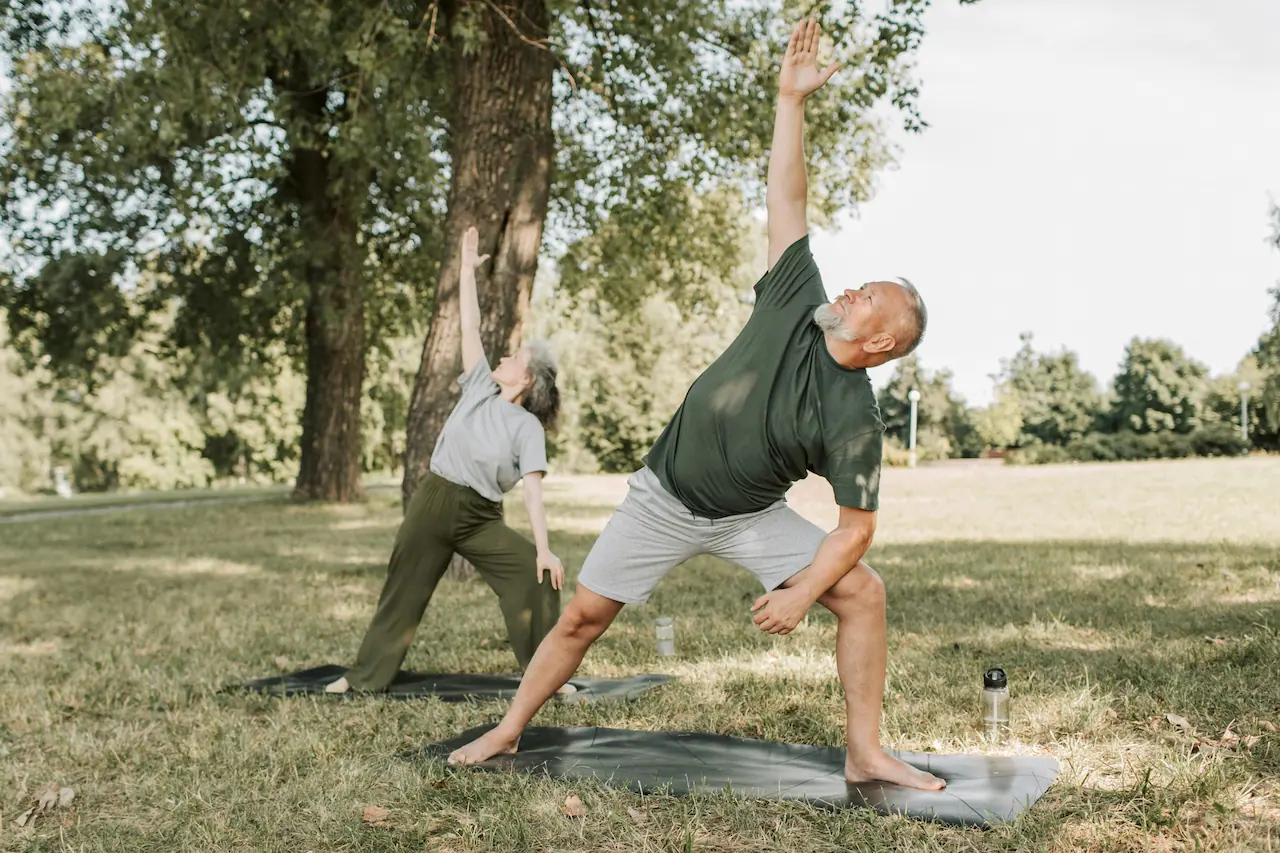
Balance training
Targeted balance training is a core component of effective falls‑prevention programs. Key points include:
- Balance exercises need to be moderately to highly challenging (within safe limits) to have meaningful impact.
- Programs where at least 30% of the content is balance training, and which accumulate more than three hours of balance work per week, tend to show larger reductions in falls risk.
Balance training may involve:
- Standing with progressively narrower foot positions, initially with support available.
- Stepping, turning and reaching tasks that challenge stability.
- Walking under varied conditions (for example, changing speed or direction) in a controlled environment.
Progression is usually gradual, with safety carefully monitored.
Strength and multi-component exercise
Strength training for the legs and hips is often combined with balance training, as stronger muscles can support better control and recovery from trips. Research shows that:
- Lower‑limb strengthening can improve balance outcomes and mobility.
- Multi‑component programs (combining strength, balance and sometimes aerobic work) can reduce the rate of injurious falls and fall‑related healthcare use in many older adults.
Exercises might include sit‑to‑stand practice, step‑ups, heel raises and other accessible movements, adjusted to each person’s level and health conditions.

Self‑management strategies
Self‑management is encouraged and may include:
- Regular home‑based balance and strength exercises prescribed by your clinician.
- Short, frequent walks or light activity around the home or local area, according to your capacity.
- Planning rest and pacing for more demanding days.
For falls prevention, exercise needs to be ongoing; benefits reduce if activity is stopped.
Links with community programs
NSW Health’s Active and Healthy program supports community‑based falls‑prevention activities, including Stepping On, which provides group education and gentle exercise for older adults living at home. Hornsby Health clinicians may help you integrate individual balance training Hornsby sessions with suitable community offerings where appropriate, so that you can continue practicing skills in a supportive environment.
When referral or co‑management is appropriate
Referral to a GP, geriatrician or other specialist may be suggested when:
- There are recent, unexplained or recurrent falls.
- There is suspicion of neurological conditions, significant cardiac issues or medication side effects contributing to falls.
- Cognitive changes or mood concerns are present alongside falls.
In such cases, exercise is often part of a coordinated plan that may also involve medication review, vision checks and home safety assessments.
Common questions about falls-prevention exercise in Hornsby
Does balance training really reduce falls?
Evidence from systematic reviews and meta‑analyses indicates that balance training and multi‑component exercise programs can reduce falls and improve static and dynamic balance in older adults. Improvements have been shown in tests such as Timed Up and Go and various balance scales, with some studies reporting lasting benefits months after programs finish.
How often should I do balance exercises?
Many research‑based programs aim for balance training on at least three days per week, with a total of more than three hours of balance‑focused work spread across the week. The exact schedule should be tailored to your health, confidence and daily routine.
Is it too late to start falls-prevention exercise if I’m already in my 80s?
Studies including community‑dwelling older adults in their 70s, 80s and beyond show that tailored strength and balance training can improve mobility and reduce falls risk in many participants. It is important to start at an appropriate level and to seek individual assessment, especially if you have multiple health conditions.
Will I need special equipment?
Many effective exercises use body weight, a sturdy chair or bench and simple household items. Some people may benefit from handrails, walking aids or small pieces of equipment, but programs can often be adapted to what you have available at home, provided safety is maintained.
How many sessions will I need with a clinician?
The number of sessions varies. Some people benefit from a short series of appointments to learn a home program and have their balance and strength checked periodically, while others choose longer‑term support, especially after recent falls or when health is more complex.
Who this may help in Hornsby and nearby suburbs
Falls‑prevention and balance training Hornsby programs at Hornsby Health may suit older adults living in Hornsby, Waitara, Asquith, Wahroonga, Thornleigh and Mount Colah. Support may be particularly relevant if you:
- Have had one or more falls in the past year or feel less steady when walking.
- Avoid certain activities (such as stairs, uneven paths or community outings) because of worry about falling.
- Feel your strength, balance or walking speed has declined over time.
- Are returning home after a hospital stay and want to rebuild confidence and function.
- Would like guidance on how to combine home exercises with community programs such as Stepping On.
Hornsby Health clinicians may tailor exercise to your needs, whether you prefer individual sessions, home‑based programs or integrating with local group‑based falls‑prevention activities.
Next steps
If you are concerned about balance or falls, or if walking and daily activities are starting to feel less secure, arranging an assessment can be a helpful first step. An individualised falls prevention Hornsby plan may help you build strength and balance gradually, in a way that fits your health status and everyday life.
If you experience a fall with head injury, loss of consciousness, chest pain, sudden weakness or other worrying symptoms, please seek prompt review from your GP or local emergency department before continuing exercise. For ongoing support with balance, strength and community participation, booking with a qualified clinician at Hornsby Health can provide tailored guidance on safe and practical next steps.
-p-130x130q80.jpg)

.jpg)

Ready to book an appointment with us?
Visit our Online Bookings page where you can see what times are available and book appointments with all our great Physiotherapists, Chiropractors, and Exercise Physiologists in Hornsby. You can also find us and book appointments via HotDoc and HealthEngine.
Rather speak to someone? Simply give us a call on 02 8428 0528 and our friendly receptionists can help you find a time that suits, and answer any questions you might have.


