
Neck & Shoulder Pain in Hornsby
%20(1).svg)
.svg)

Neck & Shoulder Pain in Hornsby
Neck and shoulder pain can appear out of nowhere or build up slowly over time. Maybe it’s the result of long hours at your desk, a restless night’s sleep, an intense workout, or stress that’s left your muscles tight and tense. You might notice some stiffness, a deep ache spreading across your shoulders, pain when you turn your head, or discomfort radiating into your upper back, arm, or around your shoulder blade.
At Hornsby Health in Hornsby, NSW, we support people looking for neck and shoulder pain treatment in Hornsby with a practical, evidence-informed approach. Our team includes physiotherapy, chiropractic, and exercise physiology services so your plan can be tailored to your symptoms, preferences, and goals. Whether you’re searching for a physio in Hornsby, a chiro in Hornsby, or longer-term exercise support, we've got you covered.
What is neck and shoulder pain?
“Neck and shoulder pain” is a broad term. It can involve the neck (cervical spine), the shoulder joint, the muscles around the shoulder blade, and the upper back. Symptoms can also be influenced by how nerves in the neck and shoulder region respond to load and movement.
Common causes and contributing factors
Often, neck and shoulder pain is multi-factorial. Common contributors may include:
- Prolonged sitting, screen time, or sustained postures at work
- Increased stress, poor sleep, or low recovery (which can increase muscle tension and pain sensitivity)
- Sudden increases in lifting, gym training, or overhead activity
- Repetitive tasks (e.g. manual work, caring duties, long drives)
- Previous episodes of neck pain, headaches, or shoulder injuries
- Reduced strength/endurance in the neck, upper back, or shoulder muscles
- Irritation of joints, muscles, tendons, or (in some cases) nerves
Sometimes pain that feels like it's in the shoulder is actually driven by the neck or upper back, and vice versa. A thorough assessment can help clarify what structures and movement patterns are likely contributing factors for you.

Typical symptoms
Neck and shoulder pain may involve:
- Stiffness when turning the head or looking up/down
- Aching or tightness across the tops of the shoulders
- Pain around the shoulder blade or upper back
- Discomfort with reaching overhead, lifting, or prolonged computer work
- Headaches that may be related to neck tension (not all headaches are)
- Pain, tingling, or numbness down the arm (possible nerve involvement)
- Reduced confidence with movement due to fear of flare-ups
When to seek urgent medical review (red flags)
Most neck and shoulder pain is not dangerous, but some symptoms require prompt medical assessment. Seek urgent care (GP, urgent care, or emergency services as appropriate) if you have:
- Severe pain after a significant trauma (e.g. fall, car accident)
- New or worsening weakness, numbness, or clumsiness in an arm/hand
- Difficulty with balance, walking, or coordination that is new
- Fever, unexplained weight loss, or feeling very unwell alongside new pain
- Chest pain, shortness of breath, jaw/arm symptoms suggesting a medical emergency
- Sudden severe headache, vision changes, or neurological symptoms (e.g. facial droop, difficulty speaking)
If you’re unsure whether symptoms are urgent, it’s appropriate to seek medical advice.
How we approach neck and shoulder pain at Hornsby Health
Effective care starts with clarity: what’s likely driving your symptoms, what's safe to do, and what steps can help you return to normal activities with confidence. At Hornsby Health, we use a structured assessment and an active plan that’s matched to your needs and goals.
1) Assessment and diagnosis
Your appointment typically includes:
- A detailed history (when symptoms started, aggravating factors, work and lifestyle demands)
- Screening questions to identify red flags or reasons to refer for medical review
- Examination of neck and shoulder movement, strength, joint mobility, and posture
- Testing of relevant areas such as the upper back, shoulder blade control, and (if needed) nerve-related signs
- Goal-setting (e.g. sleeping better, returning to gym, managing desk work, reducing flare-ups)
If imaging is relevant, we may discuss this and suggest liaising with your GP. Many cases of neck and shoulder pain do not require imaging, but it can be helpful in particular situations.

2) Treatment options (tailored to you)
Your plan may include a combination of approaches, depending on your symptoms and preferences:
Physiotherapy in Hornsby for neck and shoulder pain
Our physiotherapists in Hornsby may focus on restoring movement, improving strength and endurance, and building tolerance to the activities that matter to you (desk work, lifting, sport, or overhead tasks). Physiotherapy often includes education, exercise-based rehabilitation, and practical strategies to reduce flare-ups.
Chiropractic in Hornsby for neck and upper back stiffness
Our chiropractors in Hornsby may use hands-on techniques such as mobilisation or manipulation when appropriate, alongside advice and exercise. Hands-on care may help some people in the short term, particularly when combined with active rehabilitation and self-management strategies.
Exercise physiology in Hornsby for long-term capacity
If deconditioning, persistent pain, or general fitness are part of the picture, our exercise physiologist in Hornsby can support a gradual strengthening and conditioning program. This can be especially useful for improving resilience, confidence and overall function over time.
Education and self-management
Understanding what’s likely driving symptoms, how to pace activity, and what to do during a flare-up can be empowering. Your clinician may discuss sleep, stress, recovery, and workload management in a practical, non-alarmist way.
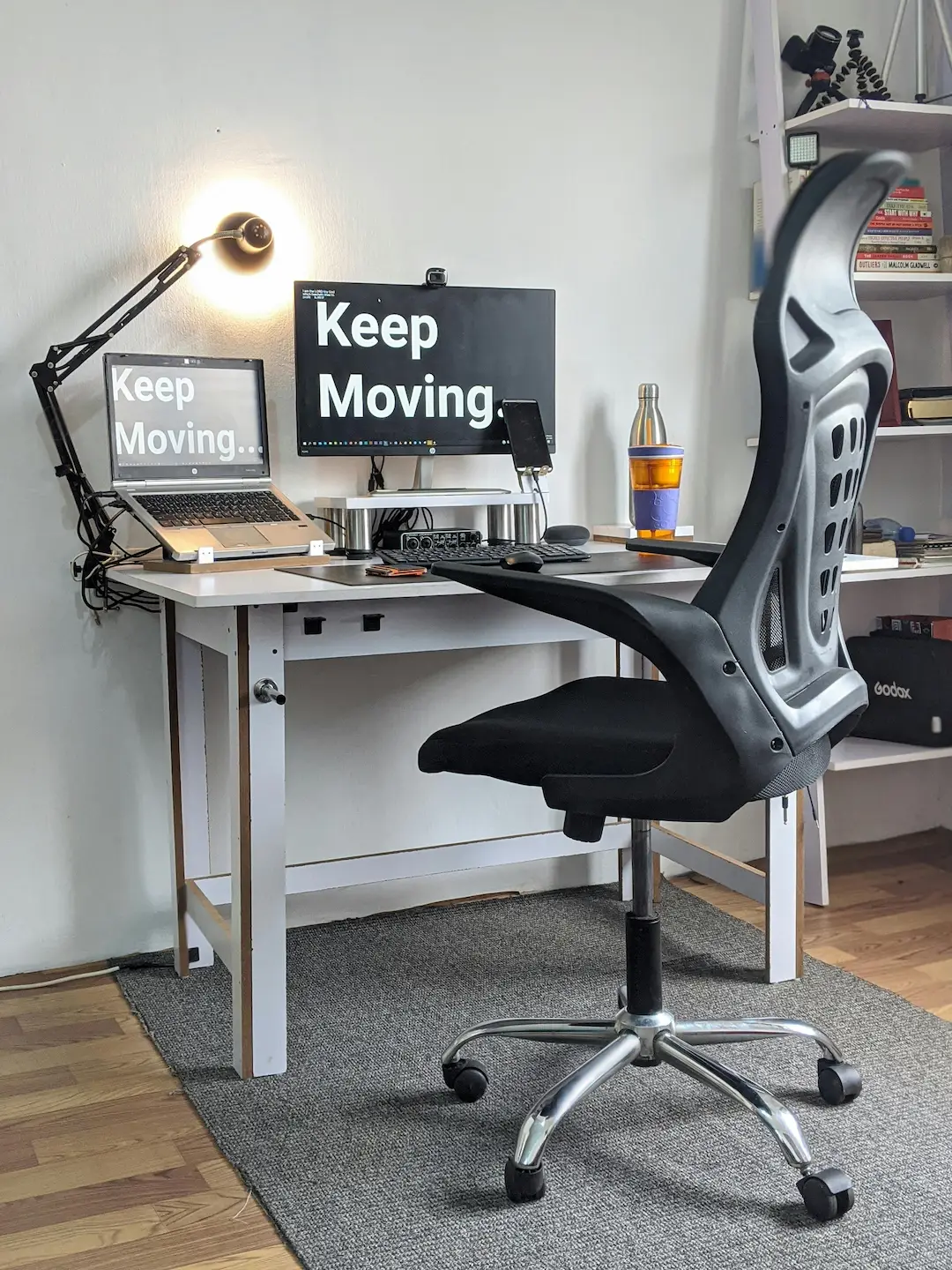
Ergonomics and movement breaks
Workstation changes can help some people, but rarely solve things alone. Often, a combination of regular movement, strengthening, and sensible setup changes is most helpful.
Common questions about neck and shoulder pain in Hornsby
When should I seek neck pain treatment?
Consider booking an assessment if symptoms are affecting your sleep, work, exercise, or daily life, if pain is recurring, or if you’re noticing arm symptoms like tingling or numbness. If you have red-flag symptoms (such as significant trauma, fever, chest pain, or worsening weakness), seek urgent medical care first.
What should I expect at my first appointment?
Your first appointment will usually include a detailed history, physical assessment, and a discussion of what may be contributing to your pain. You should leave with a clear treatment plan, which often includes advice and targeted exercises. Hands-on treatment may be included if appropriate and if you provide consent, but it’s generally combined with education and active rehabilitation.
Is my pain coming from my neck or my shoulder?
It can be hard to tell without proper assessment because symptoms can overlap. The neck, upper back and shoulder work as a connected system. Your clinician will assess movement, strength, and symptom patterns to help identify what’s most likely contributing and guide treatment accordingly.
Do I need scans (X-ray or MRI)?
Not always. Many people improve without imaging. Scans may be recommended when there are red flags, significant trauma, persistent neurological symptoms, or if symptoms aren’t improving as expected. Your clinician can discuss whether imaging is likely to add useful information in your case.
How long does recovery usually take?
Timeframes vary. Some episodes settle over days to weeks, while longer-standing or recurrent pain may take more time and a progressive approach. Your clinician can provide general expectations after assessment and review progress over time, while acknowledging individual variation.
Can exercise help, or should I rest my neck and shoulder?
Gentle movement and the right type of exercises are often helpful, but doing too much too soon can aggravate symptoms. A tailored program can help you stay active safely and build strength and endurance over time. Your clinician can guide you on what to avoid temporarily and what to keep doing.

Who we help in Hornsby and nearby suburbs
We support people from Hornsby and surrounding suburbs including Waitara, Asquith, Wahroonga, Thornleigh and Mount Colah. Neck and shoulder pain is common across many lifestyles, and we often see people such as:
- Office workers with neck stiffness, headaches linked to tension, or shoulder discomfort from prolonged computer work
- Tradespeople and active workers dealing with strain from lifting, carrying, or repetitive tasks
- Parents and carers managing shoulder/upper back fatigue from daily routines
- Older people wanting to stay mobile and confident with daily activities
- Gym-goers and sports participants with symptoms linked to overhead lifting, contact, or training load changes
- People with persistent pain who want a structured plan to reduce flare-ups and build resilience
Whether symptoms are new or have been present for a while, it’s reasonable to seek guidance if pain is limiting your normal activities.
Next steps
If you’re looking for neck and shoulder pain treatment in Hornsby, an individual assessment can help clarify what’s contributing to your symptoms and what options may be appropriate. If pain is persistent, recurrent, or affecting daily life, getting the right advice can help you make confident choices about activity and recovery.
If you live in or around Hornsby and would like an assessment, contact Hornsby Health on 02 8428 0528 to discuss whether an appointment may be appropriate for you.
-p-130x130q80.jpg)

.jpg)

Ready to book an appointment with us?
Visit our Online Bookings page where you can see what times are available and book appointments with all our great Physiotherapists, Chiropractors, and Exercise Physiologists in Hornsby. You can also find us and book appointments via HotDoc and HealthEngine.
Rather speak to someone? Simply give us a call on 02 8428 0528 and our friendly receptionists can help you find a time that suits, and answer any questions you might have.


