
Osteoporosis and low bone density exercise in Hornsby
%20(1).svg)
.svg)

Osteoporosis and low bone density exercise in Hornsby
Many people are told they have osteoporosis or low bone density and want to know how to stay active safely. Structured osteoporosis exercise programs may help maintain strength, balance and confidence with day‑to‑day tasks, alongside medical treatment and nutrition.
Working with an exercise physiologist who treats osteoporosis can be helpful if you are unsure which exercises are safe, worried about falls or have had a previous fracture. Guidelines suggest that targeted resistance, impact and balance training, tailored to the individual, can play a role in reducing fall risk and supporting bone health, but responses vary between people.
What are osteoporosis and low bone density?
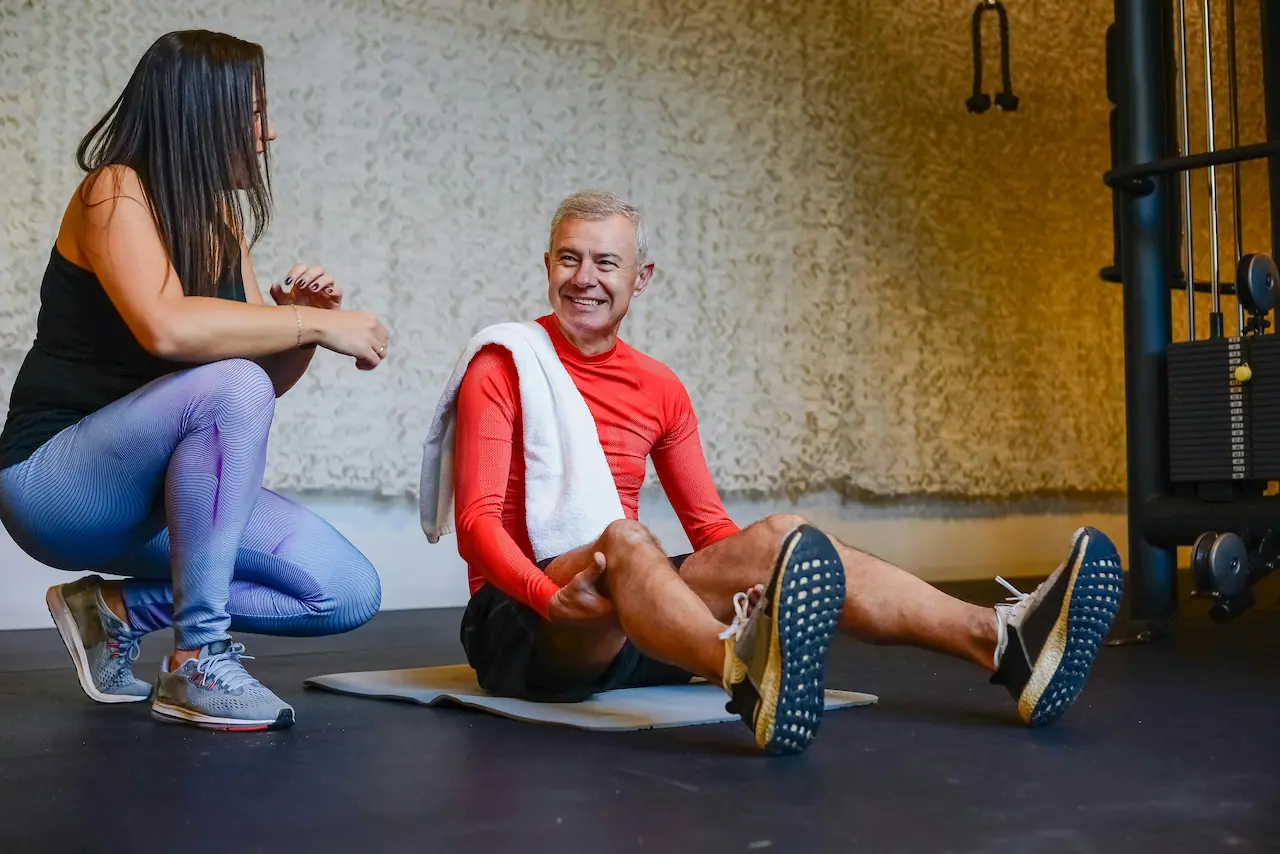
Osteoporosis is a condition where bones become less dense and more fragile, increasing the likelihood of fractures from relatively minor falls or twists. Low bone density (osteopenia) means bone strength is below average for age but not in the osteoporotic range; it still signals the need for attention to bone health. These conditions are often identified through a bone density scan.
Bone health is influenced by age, hormones, genetics, nutrition, physical activity, some medications and other medical conditions. In Australia, it is estimated that around one in two women and one in three men will experience an osteoporosis‑related fracture in their lifetime, highlighting why prevention and management are important as people get older.
How exercise relates to bone strength and falls
Specific types of exercise can help in several ways:
- Resistance training (strength exercises) may help maintain or increase muscle strength and support bone.
- Weight‑bearing and impact exercise can stimulate bones in some people, particularly when done at appropriate intensities.
- Balance and functional training can improve steadiness and reduce the chance of falls.
- Posture and spinal extension exercises may assist with alignment and comfort in those with vertebral fractures.
For most people with osteoporosis, the benefits of carefully designed exercise generally outweigh the risks, especially when programs are individualised and higher‑risk movements (such as heavy, repeated spinal flexion) are avoided.
Symptoms, risk factors and red flags
Many people do not feel symptoms from low bone density until a fracture occurs. Typical concerns include:
- Fractures from low‑level trauma (such as a minor fall or simple twist).
- Height loss or change in posture with spinal compression fractures.
- Fear of falling and reduced confidence with movement.
It is important to seek prompt medical review (GP or emergency department) if you notice:
- Sudden, severe back pain after a minor movement or lift.
- Suspected fracture (obvious deformity, inability to weight‑bear, intense pain).
- New neurological symptoms such as weakness, numbness or changes in bladder or bowel control.
- Significant, unexplained weight loss or night pain.
Your GP or specialist can help interpret bone density results, assess fracture risk and guide medical treatment, which may include medication alongside lifestyle measures.
How Hornsby Health clinicians assess osteoporosis and balance needs
At Hornsby Health, our clinicians may begin by taking a detailed history that includes your bone density results if available, previous fractures, current medications, other health conditions (such as arthritis, heart or neurological conditions), and any history of falls or near‑misses. They may also explore your home environment, activity levels and what you would like to keep doing in daily life.
An assessment with an exercise physiologist or physiotherapist commonly looks at:
- Posture and spinal alignment, including kyphosis or forward head posture.
- Lower‑ and upper‑limb strength, for example sit‑to‑stand tests or simple arm exercises.
- Balance and mobility, using tasks like single‑leg stance, short walks or timed functional tests where appropriate.
- Joint range of motion and any pain that could influence exercise choice.
- Confidence with everyday tasks such as stairs, carrying groceries or getting up from the floor.
Physiotherapists may be particularly involved when there is pain, vertebral fracture history or complex musculoskeletal issues, while exercise physiologists often focus on designing and progressing longer‑term strength and balance programs. Chiropractors can contribute to spinal and joint assessment where appropriate, within their scope.
Where needed, our clinicians may suggest further medical review or imaging via your GP, especially if there are new or changing symptoms that could indicate a fracture or other pathology.
Treatment and management options in Hornsby
Management usually aims to build strength, balance and confidence in a safe, progressive way, tailored to fracture risk and other health considerations. At Hornsby Health, support for osteoporosis exercise may combine education, supervised exercise and home‑based strategies.
Education and planning
Education may include:
- Explaining which types of exercise are generally considered helpful (strength, impact within safe limits, balance, posture) and which movements to approach with caution (such as strong, repeated forward spinal bending, particularly with load).
- Discussing how often and how hard to exercise, based on guidelines and your health status.
- Addressing fears about moving with osteoporosis, noting that most everyday activities can be maintained or adapted.
- Simple ideas for making the home environment safer to reduce fall risk.
Current guidance recommends person‑centred, positive instructions that focus on how to be active safely rather than emphasising restrictions alone.
Strength (resistance) training
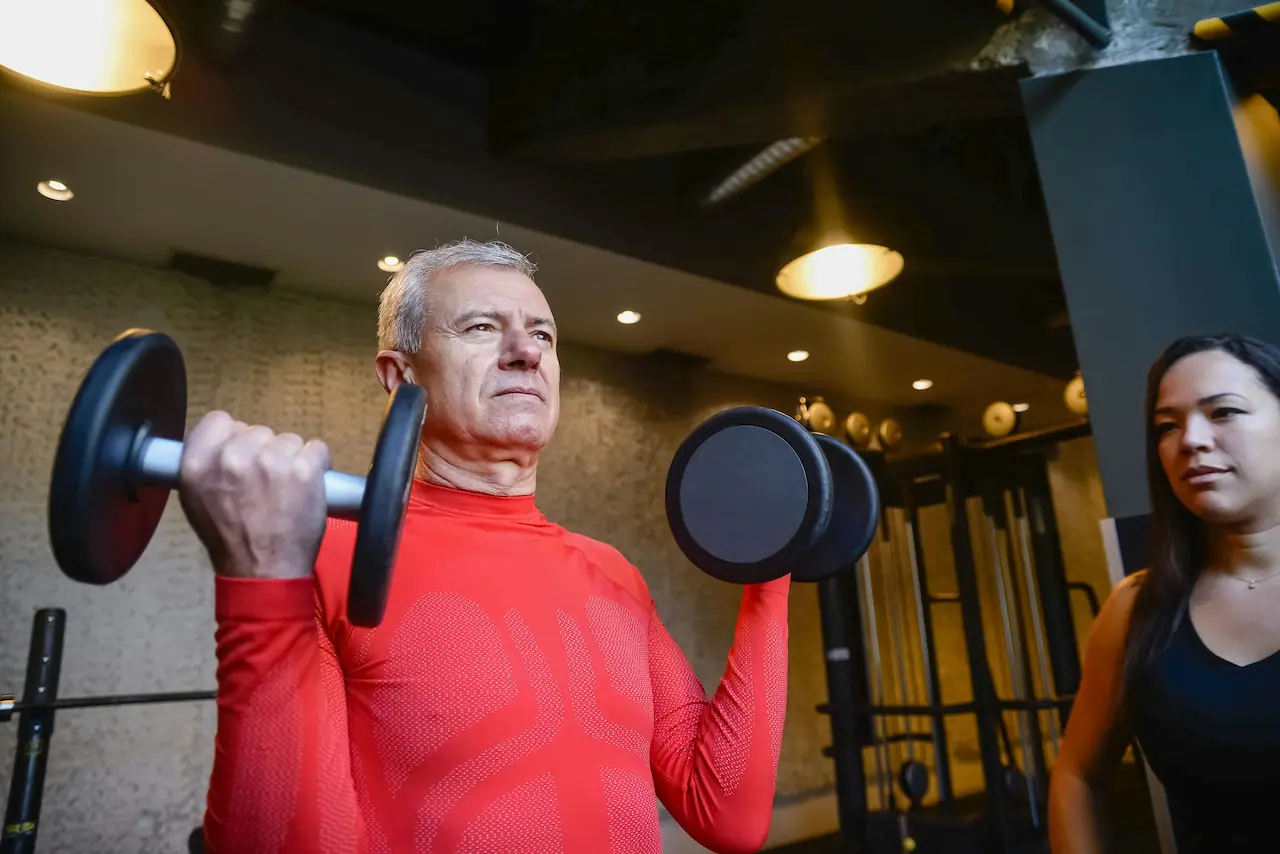
Resistance training is commonly recommended to support muscle and bone. Programs may include:
- Exercises for major muscle groups (hips, thighs, calves, back, chest and arms), using body weight, bands or weights.
- Two to three sessions per week, with 2–3 sets of several exercises, progressing load and challenge as tolerated.
- Emphasis on good technique and spinal alignment, particularly for those with vertebral fracture history.
Supervised, progressive resistance training, tailored to the person, is considered appropriate for many people with osteoporosis and can improve strength and function.
Impact and weight‑bearing exercise
For some individuals, appropriately dosed impact and weight‑bearing activities may help stimulate bone. Depending on fracture risk and medical advice, this might involve:
- Brisk walking and stair climbing.
- Small, controlled impact exercises such as light heel drops or low‑level step‑downs.
- In selected people without high fracture risk, more targeted impact programs under supervision.
People with vertebral or multiple low‑trauma fractures are usually advised to stay within impact levels similar to brisk walking, while still engaging in resistance and balance work.
Balance and functional training
Balance and functional training are key components of many programs. Structured balance training can improve balance, reduce fear of falling and, in some cases, reduce falls in people with osteoporosis. Programs may include:
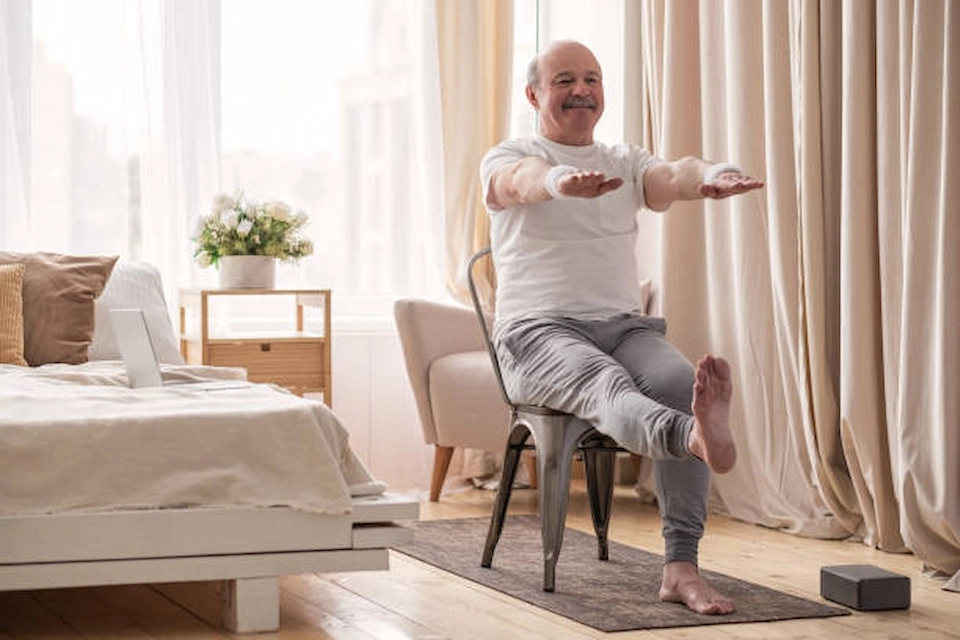
- Standing balance exercises, initially with support available for safety.
- Dynamic tasks like stepping, turning and changing direction in a controlled way.
- Functional training, such as sit‑to‑stand practice, stepping over small obstacles and safe bending or reaching.
Many guidelines recommend accumulating at least several hours of progressive, challenging balance activities each week, often across three or more sessions, adapted to the person’s capacity.
Self‑management and home strategies
Self‑management can include:
- Simple daily routines of strength and balance exercises prescribed by your clinician.
- Incorporating more walking or standing into daily life, within comfort and safety limits.
- Checking footwear, lighting and trip hazards at home.
Guidelines emphasise that some activity is better than none and that programs should be individualised, especially where there are comorbidities, pain or previous fractures.
When referral or co‑management is appropriate
Close coordination with your GP, endocrinologist or rheumatologist is important when:
- There are recent or multiple fractures.
- You are starting or reviewing osteoporosis medications.
- There are significant comorbidities that may affect exercise safety (for example, advanced cardiac or neurological conditions).
People at higher risk, or those with complex health situations, are often best supported by a clinical exercise physiologist or physiotherapist familiar with osteoporosis.
Common questions about osteoporosis exercise in Hornsby
Is exercise safe if I have osteoporosis?
For most people, yes, when it is planned and progressed appropriately. There is little evidence of significant harm from well‑designed exercise, and the benefits in terms of bone strength, balance and function generally outweigh the risks, especially with professional guidance.
What types of exercise are usually recommended?
Guidelines usually suggest a combination of resistance training, weight‑bearing or impact activity (at suitable levels) and balance exercises. Postural strengthening is often encouraged, and heavy, repeated spinal flexion—particularly with load—is commonly approached with caution.
Can exercise improve my bone density?
Certain strength and impact programs may help maintain or modestly improve bone density in some people, and can improve muscle strength and balance, which may reduce fracture risk by lowering falls risk. Effects differ between individuals, and exercise is usually combined with medical and nutritional approaches.
How many sessions will I need?
The number of sessions depends on your bone health, fracture history, confidence and goals. Some people benefit from a short series of appointments to learn a program, while others with higher risk or more complex health needs may prefer ongoing review and progression over months.
Do I have to avoid all bending and lifting?
Most guidance suggests focusing on safe technique—such as bending from the hips and knees with a straight back—rather than avoiding all bending and lifting. Very strong, repeated forward flexion, especially with heavy loads, is usually discouraged, particularly in people with vertebral fractures, but everyday movements can often be adapted rather than eliminated.
Who this may help in Hornsby and nearby suburbs
Strength and balance‑focused osteoporosis programs at Hornsby Health may suit adults living in Hornsby, Waitara, Asquith, Wahroonga, Thornleigh and Mount Colah. Support from an exercise physiologist osteoporosis Hornsby service may be especially relevant if you:
- Have been told you have osteoporosis or low bone density and want guidance on safe exercise.
- Feel unsteady on your feet or have reduced confidence walking outdoors or on stairs.
- Have had a previous low‑trauma fracture and want to reduce your risk of further falls.
- Are noticing changes in posture or back comfort and wish to work on strength and alignment.
- Would like a simple home‑friendly routine that fits around your current health and energy levels.
Hornsby Health clinicians may tailor programs to your preferences, whether that involves home‑based exercises, local walking, or structured sessions in a community or gym environment.
Next steps
If you have osteoporosis or low bone density and feel unsure about which activities are safe or helpful, arranging an assessment can be a useful first step. An individualised osteoporosis exercise plan may help you build strength and balance in a gradual, practical way alongside your medical treatment.
If you develop sudden severe back pain, suspect a fracture, experience a significant fall or notice other concerning symptoms, please seek prompt advice from your GP or local emergency department. For ongoing support with strength, balance and everyday confidence, call us on 02 8428 0528 to make a booking with a qualified clinician at Hornsby Health who can provide tailored guidance on appropriate next steps.
-p-130x130q80.jpg)

.jpg)

Ready to book an appointment with us?
Visit our Online Bookings page where you can see what times are available and book appointments with all our great Physiotherapists, Chiropractors, and Exercise Physiologists in Hornsby. You can also find us and book appointments via HotDoc and HealthEngine.
Rather speak to someone? Simply give us a call on 02 8428 0528 and our friendly receptionists can help you find a time that suits, and answer any questions you might have.


