
Pregnancy and postnatal physiotherapy in Hornsby
%20(1).svg)
.svg)

Pregnancy and postnatal physiotherapy in Hornsby
Pregnancy and the postnatal period place extra demands on the back, pelvis and pelvic floor, as well as on day‑to‑day energy levels. Many women look for pregnancy support when pelvic, hip, back or rib pain makes it harder to walk, sleep or manage work and caregiving.
After birth, some women experience ongoing pelvic pain, abdominal weakness, back discomfort or difficulties with returning to usual activity. A postnatal physio may help with graded rehabilitation of the abdominal wall, pelvic floor and whole‑body strength, while recognising that recovery timeframes and responses to treatment vary between individuals.
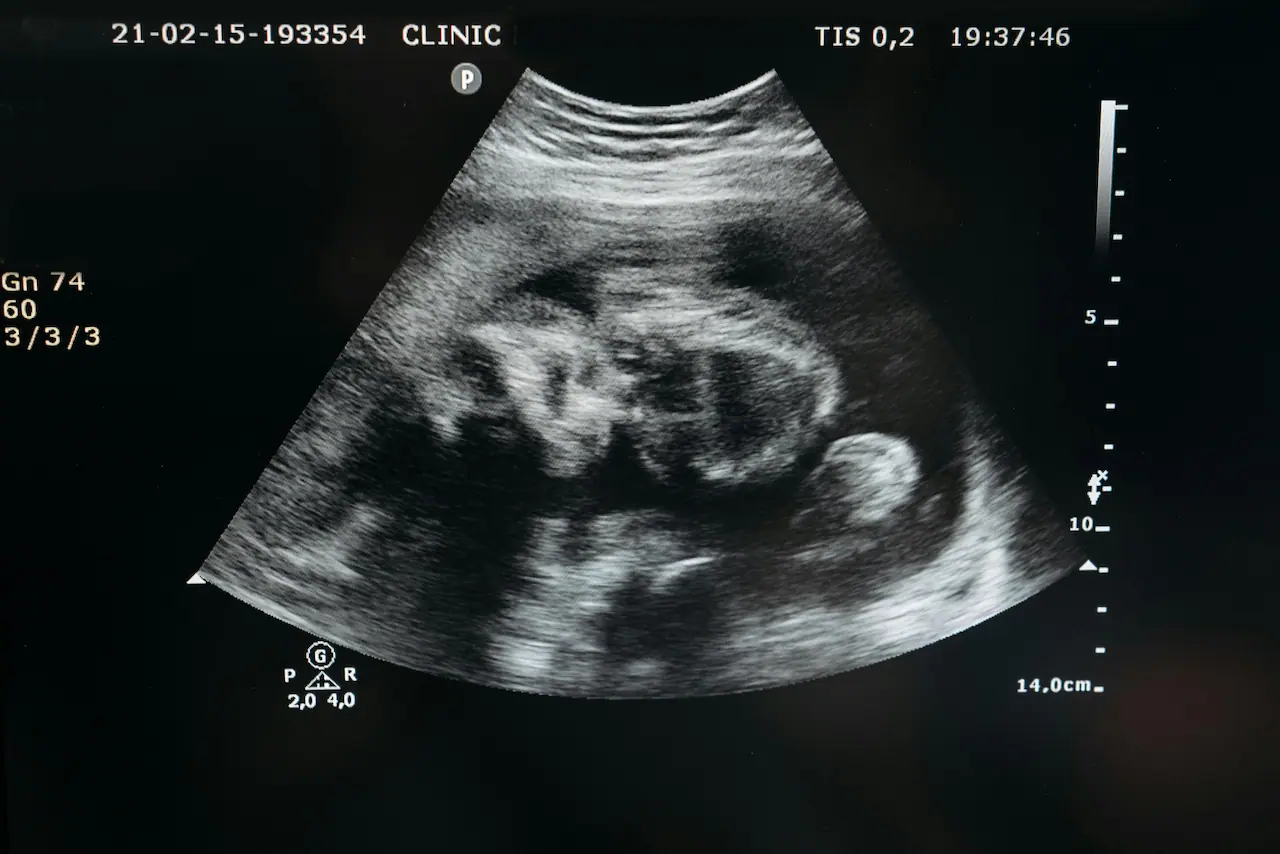
What are common pregnancy and postnatal musculoskeletal issues?
During pregnancy, hormonal changes, weight gain and postural adjustments can alter how load falls through the spine, pelvis and hips. In the postnatal period, lifting, feeding positions, sleep disruption and caring tasks can continue to place strain on these regions.
Common issues include:
- Pregnancy‑related pelvic girdle pain (pelvic, groin, hip or sacroiliac pain).
- Low back and rib pain.
- Postnatal pelvic floor concerns, such as heaviness or leakage, and abdominal wall weakness.
- Ongoing musculoskeletal pain linked with feeding, carrying and lifting.
Pelvic girdle pain and pelvic pain
Pregnancy‑related pelvic girdle pain describes pain felt around the joints at the front and back of the pelvis, sometimes referring into the hips or thighs. It may be aggravated by walking, stairs, turning in bed or standing on one leg.
Management often includes:
- Activity and position advice to reduce strain on the pelvis.
- Targeted strengthening for the hips, pelvic floor and deep abdominal muscles.
- Strategies such as pacing and rest in comfortable positions.
Pelvic girdle pain can continue after birth for some women, so ongoing pelvic pain support may be considered if symptoms persist.
Physical activity in pregnancy and postpartum
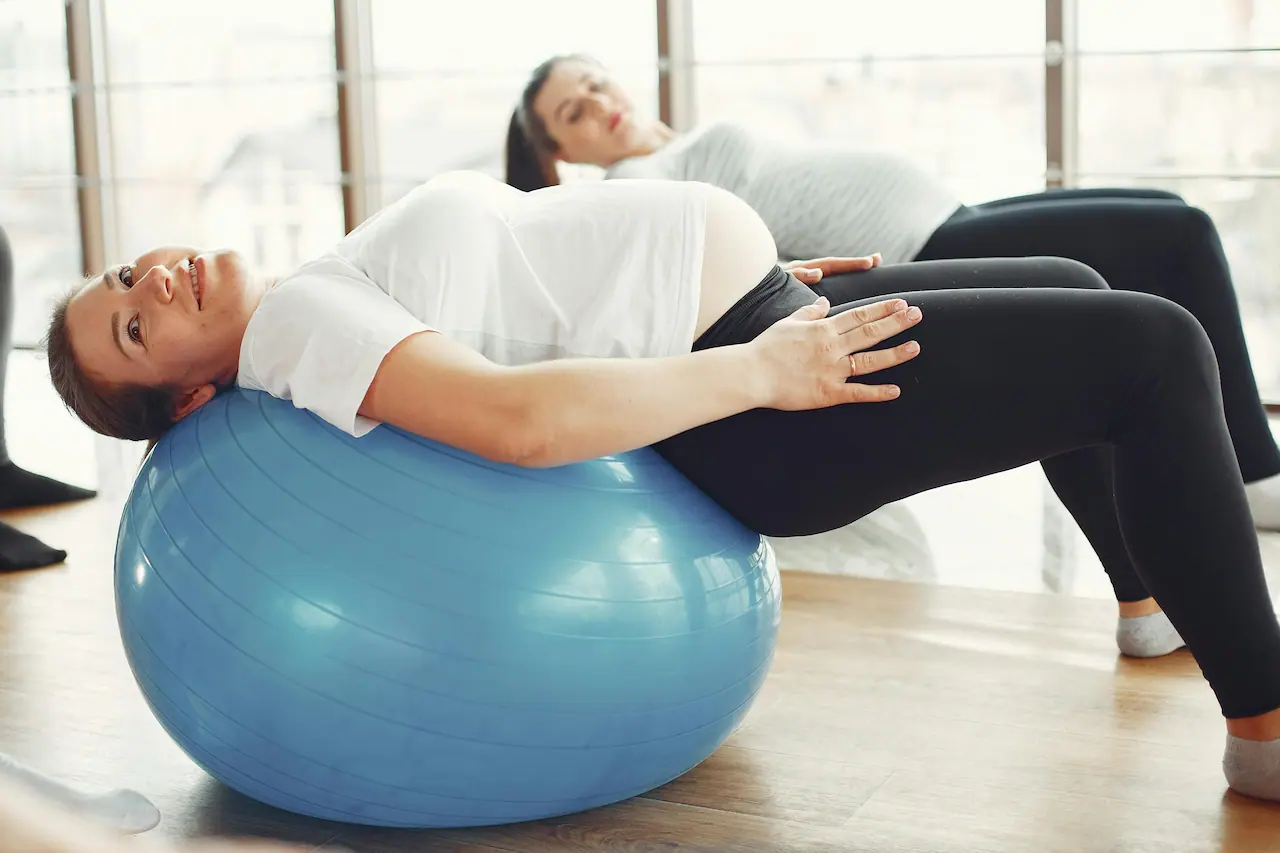
For women without complications, physical activity during pregnancy and postpartum is generally considered beneficial and may reduce the risk of some pregnancy‑related complications. Guidance commonly encourages women to:
- Aim to meet adult physical activity guidelines across pregnancy and postpartum, with appropriate modifications.
- Adapt activities as pregnancy progresses.
- Perform pelvic floor exercises during and after pregnancy.
- Take an active role in shared decision‑making about exercise with health professionals.
Red flags – when to see a GP, midwife or emergency department
While many musculoskeletal symptoms can be supported in allied health settings, it is important to seek prompt medical or maternity review if you notice:
- Vaginal bleeding, fluid loss or reduced baby movements in pregnancy.
- Chest pain, severe shortness of breath, calf pain or swelling, or sudden severe headache.
- Sudden, severe pelvic or abdominal pain, especially with other concerning symptoms.
- Signs of infection, such as fever or feeling very unwell.
Any new neurological changes (such as significant leg weakness, numbness or changes in bladder or bowel control) should also be discussed urgently with a doctor.
How Hornsby Health clinicians assess pregnancy and postnatal issues
Our clinicians may start by asking about your pregnancy or birth history, current gestation or postpartum stage, mode of delivery, and any complications your medical or maternity team has mentioned. They may explore your main concerns, such as pelvic pain Hornsby related, back pain, abdominal weakness or difficulty returning to desired activities.
An assessment is usually adapted to your comfort and stage of pregnancy or postpartum and may look at:
- Posture and alignment in standing, sitting and common daily positions (feeding, lifting, work tasks).
- Movement patterns through the spine, pelvis and hips.
- Functional tasks such as sit‑to‑stand, stairs, rolling in bed and lifting (as appropriate).
- Strength and control of key muscle groups around the hips, pelvis and trunk.
Where pelvic floor dysfunction is suspected (for example, incontinence or prolapse symptoms), clinicians may recommend or liaise with a pelvic health physiotherapist or your medical team. Physiotherapists may lead musculoskeletal assessment and early rehab, chiropractors can contribute spine and joint assessment where appropriate, and exercise physiologists may support graded return to wider exercise in the later pregnancy or postnatal stages.
If there are red‑flag symptoms or concerns outside an allied health scope, referral back to your GP, midwife or obstetrician is recommended.
Treatment and management options in Hornsby
Management is usually tailored to gestation or postnatal stage, medical guidance and your goals for work, caregiving and activity. At Hornsby Health, support for pregnancy and postnatal may combine education, individualised exercise and practical strategies.
Education and activity modification
Education may include:
- Advice on positions for sitting, standing, turning in bed and lifting that may reduce strain on the back and pelvis.
- Simple ways to pace household, work and caregiving tasks to manage pain and fatigue.
- Guidance on when and how to adjust strengthening or aerobic exercise as pregnancy progresses or postpartum recovery unfolds.
Many resources emphasise that staying as active as is reasonable, within medical advice, can be helpful for comfort and general health, while avoiding prolonged, aggravating positions.
Individualised exercise and rehabilitation
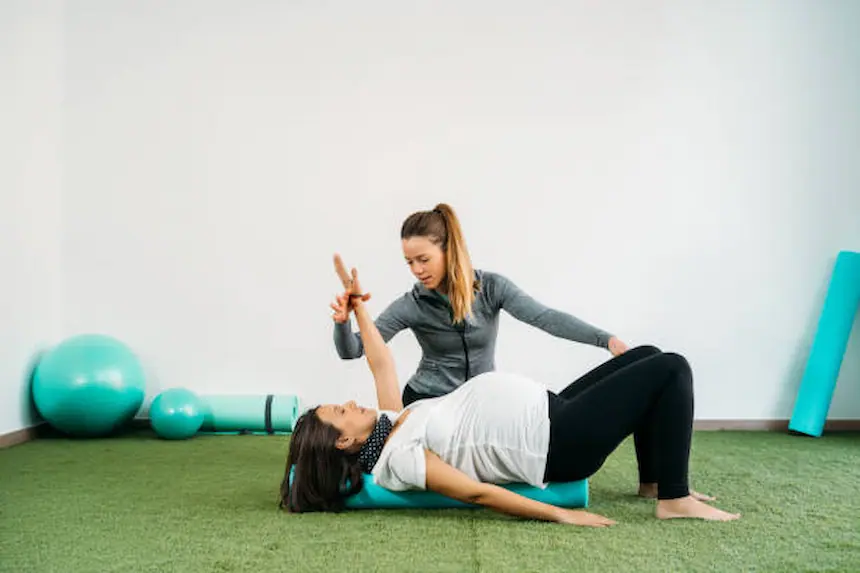
Exercise programs are typically individualised and may focus on:
- Gentle mobility for the spine, hips and pelvis.
- Strengthening of the hip, gluteal, abdominal and pelvic floor muscles using pregnancy‑ or postnatal‑appropriate exercises.
- Trunk stabilisation and postural endurance to support daily tasks and baby care.
- Gradual progression from lower‑load tasks (such as breathing, pelvic floor and deep abdominal work) to more functional strengthening and, later, return to higher‑impact activity where suitable.
Postnatal rehabilitation often highlights pelvic floor exercises, trunk stabilisation and physiotherapy‑guided programs as key components in supporting recovery and function.
Managing pregnancy-related pelvic pain
For pelvic pain Hornsby presentations in pregnancy or postpartum, physiotherapy‑based care often includes:
- Advice on avoiding or modifying pain‑provoking movements and positions.
- Strengthening and motor‑control exercises for the pelvic floor, deep abdominals and hip muscles.
- Strategies such as using pillows for support, resting in more comfortable positions, and pacing weight‑bearing tasks.
Some services may also consider supports like belts or mobility aids where appropriate, usually in collaboration with the broader care team.
Self-management and return to activity
Self‑management strategies can include:
- Incorporating simple exercises into daily routines, such as short sets of pelvic floor contractions and gentle postural work.
- Gradually increasing walking or other low‑impact activity, guided by comfort and medical advice.
- Practising body‑mechanics strategies (for example, bending from the hips and knees, keeping baby close when lifting).
Pregnancy and postnatal exercise guidance recommends adapting activity to reflect physical changes, and emphasises shared decision‑making with health professionals regarding exercise type and intensity.

When referral or co‑management is appropriate
Referral back to your GP, midwife or obstetrician may be advised when:
- There are symptoms suggesting obstetric or medical complications.
- Pelvic floor or continence issues require specialist pelvic health input.
- Mental health concerns, such as significant anxiety or low mood, are present alongside pain and physical changes.
Allied health support usually complements, rather than replaces, obstetric and primary medical care.
Common questions about pregnancy and postnatal physio in Hornsby
Is physiotherapy safe during pregnancy?
For women without obstetric complications, appropriately modified exercise and physiotherapy during pregnancy are generally considered safe, with a focus on comfort, safety and shared decision‑making. Contraindications and warning signs are usually checked with your medical team, and programs are adapted accordingly.
Can physio help pelvic girdle pain?
Physiotherapy is often used as part of care for pregnancy‑related pelvic girdle pain, aiming to optimise muscle function, posture and movement strategies. Many women find this approach can be helpful for managing symptoms, though the degree of improvement and timeframe vary.
When can I start postnatal exercise?
Gentle pelvic floor and breathing exercises may begin soon after an uncomplicated birth, with other exercise types gradually added as comfort, healing and medical advice allow. Postnatal activity should be tailored to the individual, with attention to mode of delivery, symptoms and fatigue.
How many sessions will I need?
The number of sessions depends on your concerns, stage of pregnancy or postpartum, and how you respond to the agreed plan. Some women attend only a few appointments for assessment, advice and a home program, while others with more complex pelvic pain, postnatal issues or co‑existing conditions may prefer longer‑term follow‑up.
Do I need a pelvic health specialist?
If you have symptoms such as incontinence, prolapse sensations, significant pelvic floor pain or uncertainty about internal muscle function, seeking pelvic health physiotherapy advice is often recommended. Women with pelvic floor dysfunction may benefit from specialised assessment and targeted exercises.
Who this may help in Hornsby and nearby suburbs
Pregnancy and postnatal musculoskeletal support at Hornsby Health may be suitable for women living or working in Hornsby, Waitara, Asquith, Wahroonga, Thornleigh and Mount Colah. Support from a pregnancy and postnatal physio may be especially relevant if you:
- Have pelvic pain related to pregnancy or after birth that is affecting walking, stairs or sleep.
- Notice back, hip or rib pain that is limiting work, household tasks or care of older children.
- Feel your abdominal or pelvic floor muscles are not recovering as you expected.
- Are unsure how to exercise safely during pregnancy or when returning to activity after birth.
- Would like support with practical strategies for feeding, lifting and baby care positions.
Our Hornsby Health clinicians may tailor assessment and management to your pregnancy or postnatal stage, medical guidance and family or work demands.
Next steps
If pregnancy‑related pain, postnatal discomfort or pelvic issues are making daily life more difficult, arranging an assessment can be a useful step. An individualised plan for pregnancy or postnatal support may help you understand what is contributing to your symptoms and outline practical, graded options for movement and self‑care.
If you experience red‑flag symptoms such as vaginal bleeding, reduced baby movements, chest pain, sudden shortness of breath, severe headache or signs of infection, please seek prompt advice from your GP, midwife, obstetrician or local emergency department. For ongoing pregnancy or postnatal musculoskeletal concerns, booking with a qualified clinician at Hornsby Health can provide tailored guidance alongside your medical care.
-p-130x130q80.jpg)
.jpg)

Ready to book an appointment with us?
Visit our Online Bookings page where you can see what times are available and book appointments with all our great Physiotherapists, Chiropractors, and Exercise Physiologists in Hornsby. You can also find us and book appointments via HotDoc and HealthEngine.
Rather speak to someone? Simply give us a call on 02 8428 0528 and our friendly receptionists can help you find a time that suits, and answer any questions you might have.


