
Running injuries and return-to-running programs in Hornsby
%20(1).svg)
.svg)

Running injuries and return-to-running programs in Hornsby
Running is a convenient way to stay active, whether it's on local streets, ovals or bush trails. Many people seek support from a physio when pain starts to limit training, from early niggles to more persistent problems.
Lower limb overload issues such as shin splints (medial tibial stress syndrome), knee pain, Achilles issues and hip or groin discomfort are common. A structured return-to-running plan may help manage symptoms, reduce re-injury risk and support a gradual, sustainable build back towards your preferred distances and paces.
What are common running injuries?
Running injuries are usually overuse or load-related conditions affecting muscles, tendons, bones or joints, rather than sudden accidents. They often develop when training load (distance, speed, hills or frequency) increases faster than the body’s current capacity, or when recovery is insufficient between sessions.
Common problems seen in recreational and club runners include:
- Medial tibial stress syndrome (“shin splints”) – pain along the inner border of the shin bone.
- Patellofemoral and other knee pain.
- Achilles tendinopathy and calf issues.
- Plantar fasciitis and foot pain.
- Hip and groin pain linked with strength, control and load factors.
These conditions may cause pain during or after a run, next-morning stiffness, or a gradual loss of enjoyment and confidence with training.
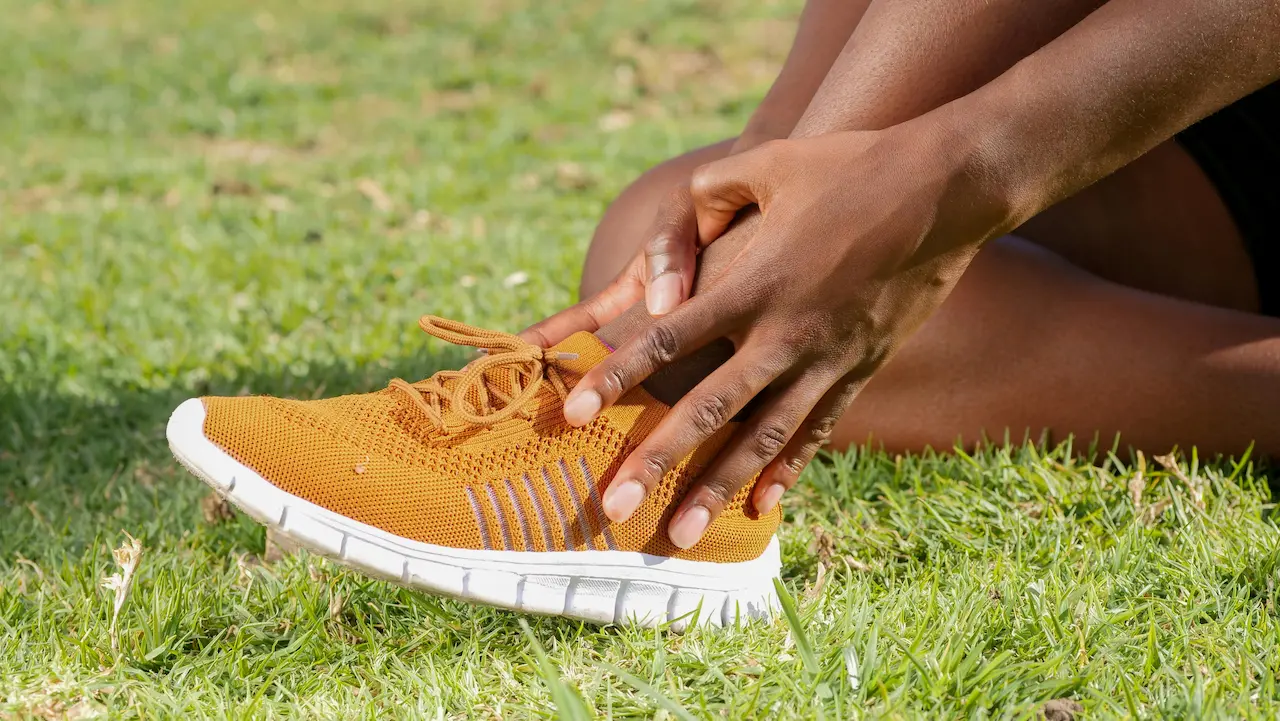
Shin splints (medial tibial stress syndrome)
Shin splints describe exercise-related pain along the inner border of the tibia, often developing in the early phases of a training block or when volume or speed increases quickly. Symptoms may start as a dull ache that builds with running and can linger afterwards.
Contributing factors can include rapid changes in training load, hard surfaces, footwear, calf and foot strength, and overall biomechanics. In most people, shin splints are a load-management problem rather than a fracture, but stress fractures do occur, so careful assessment is important.
Red flags – when to see a GP or emergency department
Most running injuries can be assessed in an allied health clinic, but prompt medical review is recommended if you notice:
- Severe pain and swelling after a fall or significant trauma.
- Inability to bear weight, or pain that is severe and focal over a bone (possible stress fracture).
- Night pain, fever, or feeling unwell with a hot, swollen joint.
- Sudden chest pain, breathlessness or calf swelling (possible non-musculoskeletal causes).
In these situations, a GP or emergency department visit is appropriate. For persistent or gradually worsening running pain, an assessment with a qualified clinician is advisable.
How Hornsby Health clinicians assess running injuries
At Hornsby Health, our clinicians may begin by taking a detailed history of your running and symptoms. This usually includes: weekly distance, types of sessions, surfaces, shoes, recent changes in training, where and when pain occurs, and any previous injuries or medical conditions.
A physical assessment commonly looks at:
- Overall posture and alignment of the hips, knees, ankles and feet.
- Joint range of motion at the hips, knees, ankles and spine.
- Strength and endurance of key muscle groups such as calves, quadriceps, hamstrings and gluteals.
- Balance and control on single-leg tasks.
- Palpation of symptomatic areas (for example the medial tibia in shin splints).
Where appropriate, our clinicians may also perform basic running-related movement tests or a simple gait observation, either on the spot or as part of a later review. This can help identify load, strength or control factors that may be contributing.
Physiotherapists often coordinate injury diagnosis and rehab planning. Chiropractors may assist with joint and spinal assessment where suitable, and exercise physiologists may support broader strength and conditioning, cross-training and long-term load planning, especially for those with health conditions or higher training volumes.
Imaging is not always needed for overuse running injuries. It may be considered via your GP if there is concern about a stress fracture, significant tendon tear or other pathology, or if symptoms do not follow an expected course despite appropriate management.

Treatment and management options in Hornsby
Management usually focuses on both symptom relief and addressing contributing factors such as load, strength and movement patterns. At Hornsby Health, care for running injuries may combine education, exercise, load modification and, when helpful, hands-on treatment.
Education and load management
Understanding how training load interacts with tissue capacity is central to running injury care. Many people find it useful to:
- Temporarily reduce distance, frequency or intensity rather than stop all activity.
- Swap some runs for lower-impact cross-training such as cycling or pool running while pain settles.
- Rebuild training using gradual progressions, often increasing volume by small amounts per week when tolerated.
- Avoid sudden changes, such as adding hills, speed work or longer long runs at the same time.
Clinicians may outline realistic timeframes and explain that tissues often adapt over weeks to months, so patience and consistency with the plan are important.
Exercise and rehabilitation
Targeted strength and conditioning is commonly used to support tissue capacity and running mechanics. Programs may include:
- Calf and foot strengthening for shin splints and Achilles-related problems.
- Hip and gluteal exercises for better control of the pelvis and knees.
- Core and trunk stability work to support efficient running.
- Gradual plyometric (impact) drills once basic strength is in place, for those returning to higher-load running.
For shin splints, evidence-informed guidance often includes addressing training load, strengthening the lower limb, considering footwear and using a staged return to impact.

Return-to-running programs
Return-to-running plans are usually structured in phases, moving from walking to short run-walk intervals and then towards continuous running. Common elements include:
- Ensuring you can walk comfortably for around 30 minutes before starting a run-walk program, in many protocols.
- Starting with short running intervals interspersed with walking, on flat, predictable surfaces.
- Progressing either distance or intensity gradually, but not both at once.
- Monitoring pain during and after sessions, with adjustments if symptoms flare.
A clinician may help tailor these principles to your injury, fitness level and goals, whether that is parkrun, local fun runs or longer events.
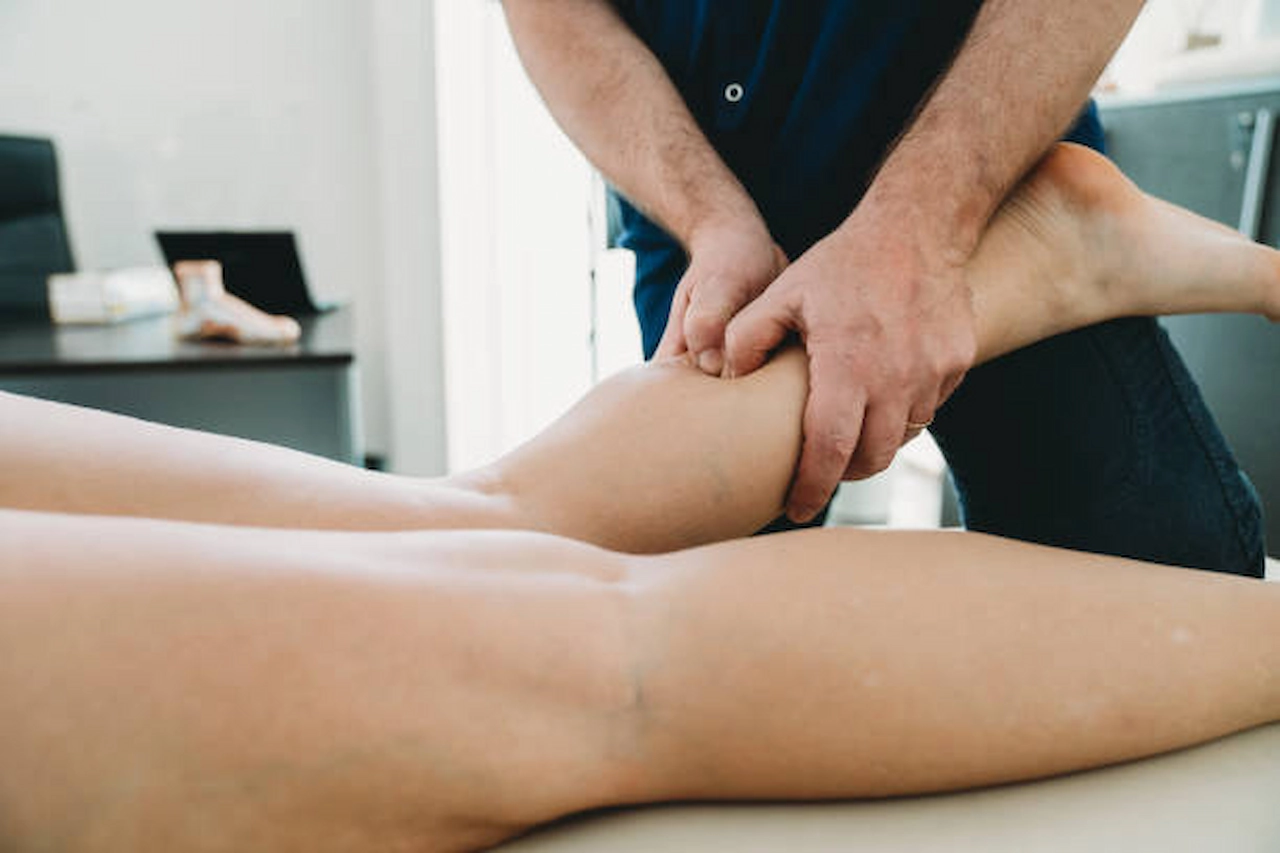
Hands-on treatment options
Some runners find hands-on treatment helpful as part of a broader plan. Depending on your presentation, our clinicians at Hornsby Health may offer:
- Soft tissue techniques for calves, quadriceps, hamstrings or hip muscles.
- Gentle joint mobilisation around the ankle, hip or spine where stiffness contributes.
- Taping strategies to support the foot, ankle or knee in the short term.
These approaches are generally integrated with strength, load management and return-to-running planning.
Self-management and adjuncts
Self-management strategies might include:
- Simple routines to warm up before a run and cool down afterwards.
- Gradual footwear changes, allowing time for your body to adapt.
- Planning rest days and lower-impact sessions into your week.
Depending on your situation, clinicians may suggest discussing pain relief strategies with your GP or pharmacist during more painful phases. Surgery and other invasive options are rarely needed for the majority of running overuse injuries and are usually considered only after appropriate conservative care and medical assessment.
When referral is appropriate
Referral to a GP, sports physician or orthopaedic specialist may be recommended if:
- There is suspicion of a stress fracture or other significant bony injury.
- Pain is severe, worsening or not improving despite appropriate management.
- Additional medical investigations or interventions need to be considered.
Any such decisions are individual, and a collaborative approach with your broader healthcare team is encouraged.
Common questions about running injuries in Hornsby
Do I have to stop running completely if I’m injured?
Not always. For many overuse injuries, some level of modified running or cross-training can continue, provided symptoms and function are closely monitored. A clinician can help you decide what is appropriate based on your specific diagnosis and pain response.
How long does it take to get back to normal running?
Timeframes vary widely depending on the type of injury, how long you have had symptoms, your training history and other health factors. Some minor issues improve within a few weeks, while bone stress injuries or longstanding tendinopathies can require several months of graded rehab.
Are shin splints the same as a stress fracture?
No. Shin splints (medial tibial stress syndrome) and tibial stress fractures both cause shin pain but differ in severity and management. Stress fractures typically cause more focal, intense pain and may require a period of non-impact loading; distinguishing between them is important and often involves clinical assessment and sometimes imaging.
How many sessions will I need?
The number of sessions depends on your diagnosis, goals and response to the plan. Some runners benefit from a short block of appointments to set up a program and monitor early progress, while others with more complex or recurrent injuries may require longer-term follow-up as training loads increase.
Do I need gait analysis to recover from a running injury?
Formal gait analysis can be useful in some cases but is not essential for every runner. Many contributing factors can be addressed through strength work, load planning and simple running drills. Your clinician can discuss whether more detailed gait assessment is likely to add value in your situation.
Who this may help in Hornsby and nearby suburbs
Running injury assessment and return-to-running programs at Hornsby Health may be suitable for adults who live or train in Hornsby, Waitara, Asquith, Wahroonga, Thornleigh and Mount Colah.
Support from physios who treat running injuries may be particularly relevant if you:
- Have new or recurrent pain in your shins, knees, hips, ankles or feet when running.
- Experience shin splints style symptoms as you increase training.
- Are returning to running after time off due to injury, illness or life events.
- Are training for local events and want guidance on load progression and strength work.
- Have had multiple injuries across recent seasons and would like a more structured approach.
Our clinicians aim to tailor plans to your current level and goals, whether that is comfortable jogging around the neighbourhood or preparing for longer events.
Next steps
If a running-related injury is making it harder to train, commute or enjoy recreational exercise, organising an assessment can be a constructive starting point. An individualised plan may help you understand your injury, adjust training and follow a staged return-to-running framework that aligns with your goals and overall health.
If your pain is severe, associated with trauma, very focal over a bone, or accompanied by systemic symptoms such as fever or marked swelling, please seek prompt advice from your GP or local emergency department. For ongoing or gradually worsening running pain, call us on 02 8428 0528 and make a booking with a qualified clinician at Hornsby Health who can provide you with personalised guidance on safe and sustainable next steps.
-p-130x130q80.jpg)

.jpg)

Ready to book an appointment with us?
Visit our Online Bookings page where you can see what times are available and book appointments with all our great Physiotherapists, Chiropractors, and Exercise Physiologists in Hornsby. You can also find us and book appointments via HotDoc and HealthEngine.
Rather speak to someone? Simply give us a call on 02 8428 0528 and our friendly receptionists can help you find a time that suits, and answer any questions you might have.


