
Chiropractor Hornsby | Chiropractic Care for Adults
%20(1).svg)
.svg)

Chiropractic care is a regulated health service that focuses on assessing and managing musculoskeletal (muscle, joint and nerve) conditions—often involving the spine, posture, and movement. Many people look for a chiropractor in Hornsby when back or neck symptoms start to interfere with daily activities, work, sleep, or confidence with exercise.
At Hornsby Health, our clinicians help people understand likely contributors to symptoms, rule out more serious concerns, and plan practical management that suits the person’s goals. Because similar symptoms can have different causes, an individual assessment matters, and results can vary.
What is chiropractic care? (Scope and red flags)
Chiropractic care involves clinical assessment and management of musculoskeletal conditions, with a particular focus on the spine and how it relates to movement and symptoms such as pain, stiffness, or “referred” sensations (for example, pain that spreads into an arm or leg).
Chiropractic care in Hornsby is often sought for concerns such as:
- Low back pain and stiffness (including flare-ups after lifting, sitting, or sport)
- Neck pain, headaches linked with neck symptoms, or upper back discomfort
- Posture-related discomfort (often better thought of as load- and habit-related symptoms rather than “bad posture” alone)
- Joint restriction or reduced mobility that affects activity
- Nerve-related symptoms such as pins and needles, numbness, or weakness (which always needs careful assessment)
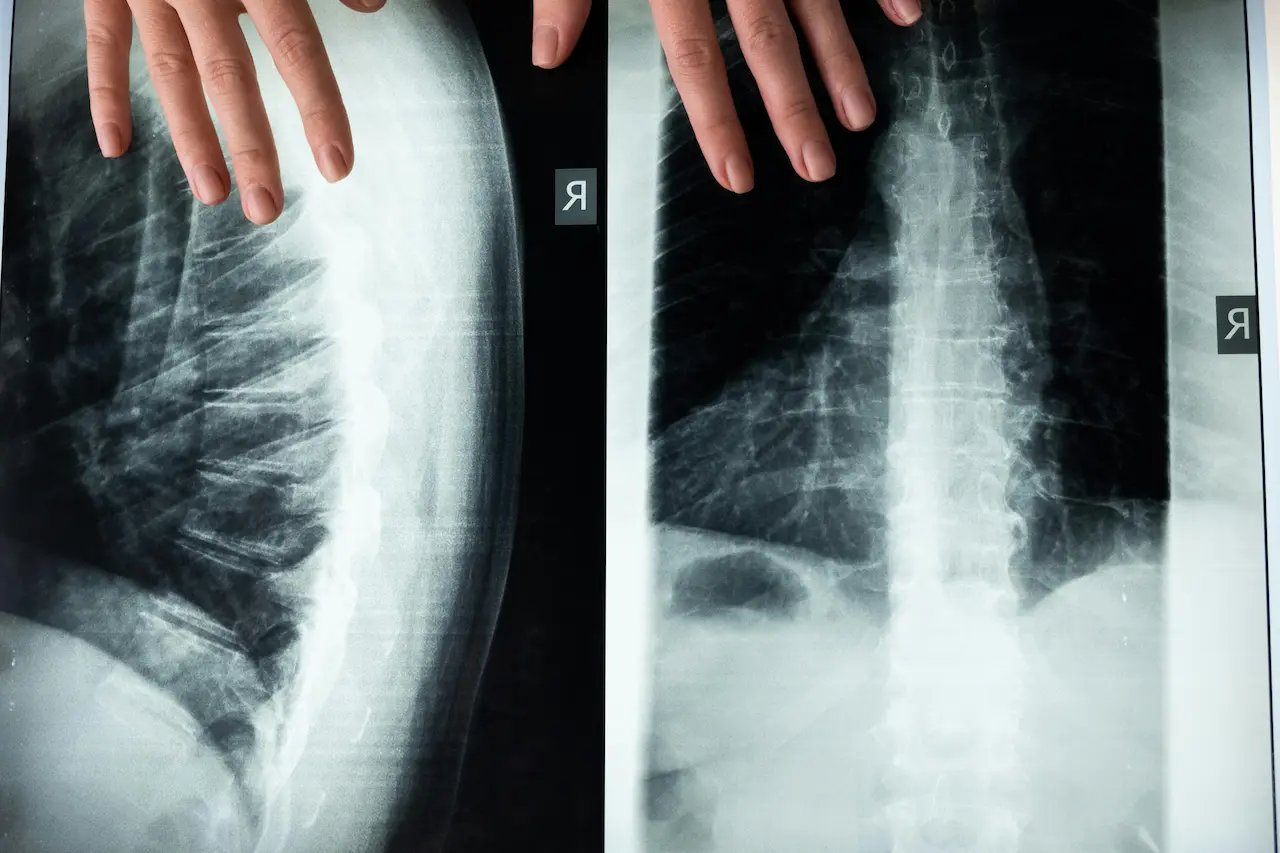
“Nerve-related symptoms” in plain language
Nerve-related symptoms can include tingling, pins and needles, numbness, burning pain, or weakness in an arm or leg. These symptoms can be influenced by several factors, including irritation or compression along the nerve pathway, sensitivity of the nervous system, or referral from joints and muscles, which is why careful screening is important.
Red flags (when to seek urgent medical care)
Some symptoms should not be managed as routine musculoskeletal issues, and people should seek urgent medical help (call 000 or attend an Emergency Department), or contact a GP promptly, if they have:
- New bowel or bladder changes, numbness in the groin/saddle area, or rapidly worsening leg weakness (possible serious spinal/nerve condition)
- Chest pain, shortness of breath, fainting, or symptoms suggestive of stroke (for example, facial droop, arm weakness, difficulty speaking)
- Severe, worsening pain after significant trauma (fall, car crash), or suspected fracture/dislocation
- Fever, unexplained weight loss, night sweats, or feeling very unwell with new severe pain
For neck pain and headaches specifically, clinicians should also be alert to signs and symptoms that may require urgent medical assessment, as screening for serious causes is an important safety step before considering certain manual techniques.
How our clinicians at Hornsby Health assess chiropractic concerns
A chiropractic assessment generally aims to clarify what is most likely contributing to symptoms, what can be modified, and what is safest and most appropriate for the individual. This typically includes history-taking, physical examination, and screening for issues that may need medical referral.
History: understanding the pattern
A chiropractor will usually ask about:
- Where symptoms are felt, how they started, and what makes them better or worse
- Whether there are nerve-type symptoms (tingling, numbness, weakness) and how they behave
- Work demands, activity and exercise routine, sleep, stress, and general health factors
- Past injuries and any relevant medical history
This information helps form a working hypothesis and guides which physical tests are appropriate.
Physical examination: movement, joints, and neurological screening
The examination may include:
- Observation of posture and movement relevant to the complaint
- Range of motion, strength, and functional tasks (e.g., bending, stepping, lifting patterns where appropriate)
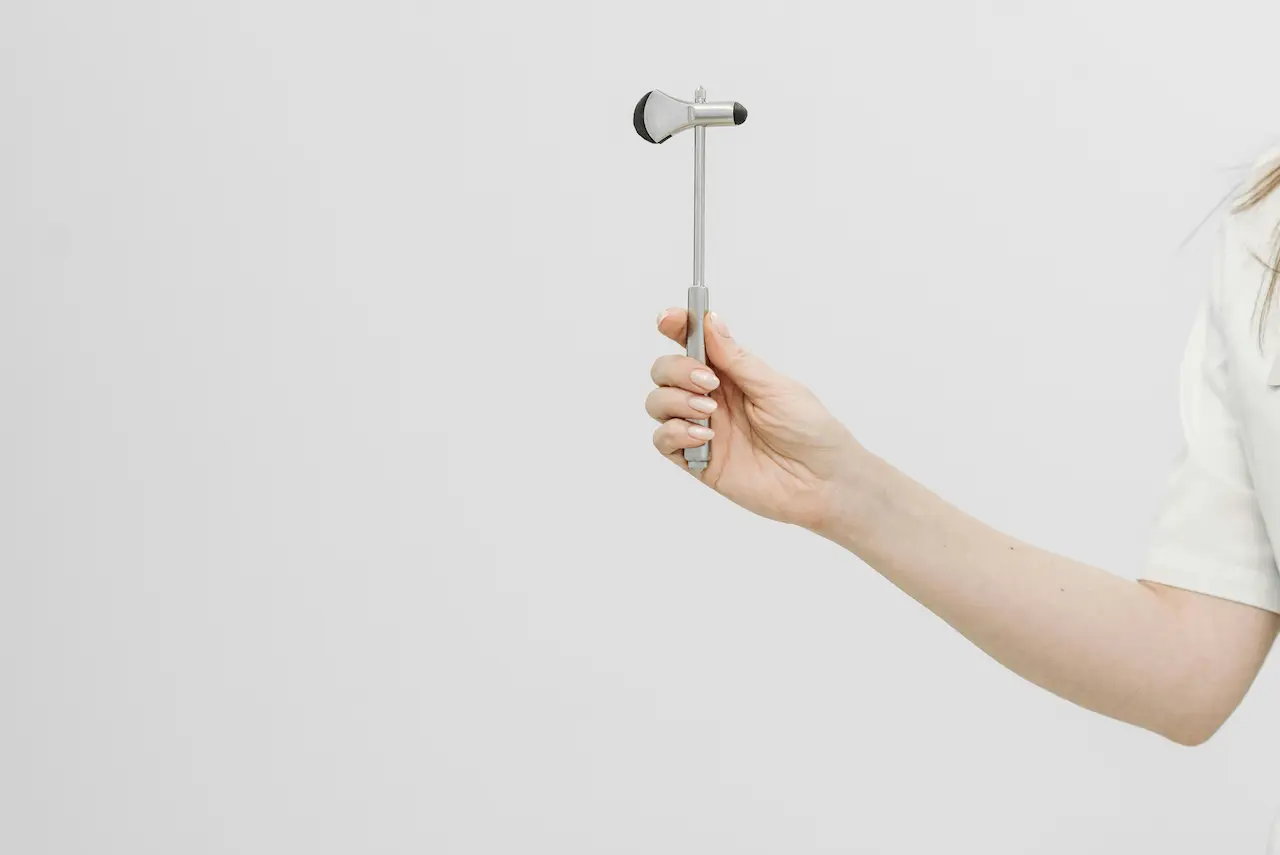
- Neurological screening (reflexes, sensation, strength) when symptoms suggest nerve involvement
- Orthopaedic tests to help differentiate likely sources of symptoms
If findings suggest a non-musculoskeletal cause, significant neurological involvement, or other concerns, referral to a GP or emergency care may be recommended.
Choosing the right clinician (team-based care)
In a multidisciplinary clinic, some people may benefit from seeing different clinicians at different stages. For example, physiotherapy and exercise physiology are often used for progressive strengthening and conditioning, while chiropractic care may focus on assessment, symptom management, and guidance around safe movement, depending on the individual’s needs.
Treatment and management options in Hornsby
Chiropractic management commonly combines education, self-management advice, exercise or activity planning, and (where appropriate) hands-on care. The best mix depends on the assessment findings, preferences, and how symptoms respond over time.

Education, reassurance and practical planning
Many people find it helpful when a clinician explains:
- What may be contributing to symptoms (and what’s less likely)
- How to keep moving safely, rather than avoiding activity entirely
- What a reasonable recovery pattern might look like, including normal ups and downs
Education should be calm and evidence-informed, and avoid overstating what any single treatment can achieve.
Activity modification and “load management”
Symptoms are often affected by sudden changes in load—such as a big increase in sitting, lifting, running, or gym intensity. A management plan may include short-term adjustments (not complete rest), plus a gradual return to usual activities.
For back pain, many guidelines support staying active and returning to normal activities as able, with modifications where needed, rather than prolonged bed rest.
Hands-on care (described neutrally)
Some chiropractic approaches include manual therapy (hands-on techniques), which may be used to reduce symptoms in the short term and help people return to movement and rehabilitation. Any technique should be chosen based on individual assessment, informed consent, and safety screening.
People should feel comfortable asking what a technique involves, what it aims to do, and what alternatives exist.

Exercise and rehabilitation (often important for longer-term change)
Many musculoskeletal conditions benefit from building strength, endurance, mobility, and confidence with movement. Chiropractic care may include guidance on exercises and activity progression, and some people may be referred internally (e.g., to exercise physiology) for structured conditioning and return-to-exercise planning.
When referral is appropriate
Referral or co-management may be appropriate when:
- There are red flags or symptoms suggesting urgent medical assessment is needed
- Symptoms are not improving as expected, or are worsening despite appropriate care
- There is significant or progressive neurological involvement (e.g., increasing weakness)
- The person may benefit from medication review, imaging decisions, or broader health assessment through a GP
Common questions about chiropractic care in Hornsby
What does a chiropractor do?
A chiropractor assesses musculoskeletal concerns—often involving the spine and joints—and may use education, activity advice, exercise guidance, and hands-on care depending on the person’s presentation. The aim is usually to help manage pain and improve function, recognising outcomes vary between individuals.
Is chiropractic care only for the spine?
Chiropractic care often focuses on the spine, but assessment may consider related joints and movement patterns (for example, hips and thoracic spine contributing to low back symptoms). The exact focus depends on the person’s symptoms and goals.
Is it normal to feel sore after an appointment?
Some people experience short-term soreness after hands-on care or after returning to activity, similar to post-exercise soreness. Any unexpected, severe, or worsening symptoms should be discussed promptly with the clinician, and urgent symptoms should be medically assessed.
How many sessions will I need?
It depends on the condition, duration, severity, general health factors, and how symptoms respond. After an initial assessment, a clinician may suggest a plan and review points, then adjust based on progress and goals.
Can chiropractic care help posture-related discomfort?
Posture-related discomfort is often influenced by sustained positions, work demands, strength/endurance, stress, and recovery. Many people find that a combination of movement breaks, strengthening/conditioning, and targeted manual care (when appropriate) can be helpful, but there is no single “perfect posture” for everyone.
Should I be worried about neck manipulation and stroke?
Serious adverse events following manual spine treatments are reported as rare, but careful screening is important, particularly for people presenting with neck pain and headache, because some serious vascular conditions can present with these symptoms. Patients should discuss risks, alternatives, and suitability with a qualified clinician so decisions are individual and informed.
Who this may help in Hornsby and nearby suburbs
Chiropractic care may suit people in Hornsby and nearby suburbs such as Waitara, Asquith, Wahroonga, Thornleigh, and Mount Colah who want a structured assessment and practical plan for spine- and joint-related symptoms.
Common scenarios include:
- Office and remote workers with neck, upper back, or low back discomfort linked with sustained sitting and reduced movement variety
- Active people managing flare-ups after lifting, gardening, weekend sport, or changes in gym training load
- People with stiffness and reduced mobility affecting day-to-day tasks such as driving, walking, or household work
- People with intermittent pins and needles or referred pain who want appropriate screening and guidance on next steps (including referral when needed)
If symptoms are persistent, recurrent, or affecting quality of life, an assessment can help identify priorities and safer ways to progress activity.
Next steps
If you're someone who is considering a chiropractor in Hornsby, contact us at Hornsby Health on 02 8428 0528 to book in for an appointment. We can help you with a thorough assessment to clarify likely contributors, screen for red flags, and agree on goals and a management plan. This is especially important when symptoms are nerve-related, worsening, or impacting work and daily function.
If symptoms include any red flags (such as new bladder/bowel changes, rapidly worsening weakness, severe trauma, or stroke-like symptoms), urgent medical care is recommended.
-p-130x130q80.jpg)

.jpg)

Ready to book an appointment with us?
Visit our Online Bookings page where you can see what times are available and book appointments with all our great Physiotherapists, Chiropractors, and Exercise Physiologists in Hornsby. You can also find us and book appointments via HotDoc and HealthEngine.
Rather speak to someone? Simply give us a call on 02 8428 0528 and our friendly receptionists can help you find a time that suits, and answer any questions you might have.


