
Low Back Pain Hornsby
%20(1).svg)
.svg)

Low Back Pain Treatment in Hornsby: Physio, Chiro and Exercise Options
Low back pain is one of the most common reasons people seek help, and it can affect everything from sitting at a desk, to lifting at work, to sleeping comfortably. Sometimes it starts suddenly (for example after bending or lifting), and other times it builds gradually over weeks or months. It can also come and go, making it hard to know what’s safe to do.
At Hornsby Health in Hornsby, NSW, we provide low back pain treatment in Hornsby through a multi-disciplinary team that includes physiotherapy, chiropractic, and exercise physiology. So if you’re searching back pain physio Hornsby, back pain chiropractor Hornsby, or support with sciatica treatment Hornsby, we're here to help. We can do a personalised assessment and clarify what’s contributing to your symptoms and what care may be appropriate for you.
What is low back pain?
The “low back” (lumbar spine) is made up of joints, discs, muscles, ligaments and nerves that work together to support posture and movement. Low back pain can involve irritation or sensitivity in one or more of these structures. Pain may stay local in the back, or it may refer into the buttock, hip or leg.
It’s common for low back pain to be influenced by several factors, not just one single cause. This is one reason a thorough assessment can be helpful.
Common causes and contributing factors
Low back pain is often related to combinations of:
- Sudden changes in load (e.g. lifting, moving house, gardening, a new gym program)
- Prolonged sitting and reduced movement variety (especially during busy work periods)
- Repetitive bending/twisting or heavy manual work
- Reduced strength and conditioning after a period of inactivity
- Sports and training load changes (running volume, heavy lifting, contact sport)
- Poor sleep, stress, and low recovery (which can increase pain sensitivity)
- Previous back pain episodes (recurrence can be common)
Sometimes, low back pain is associated with nerve irritation. This may feel like pain, tingling, numbness, or “electric” symptoms into the buttock or leg.

Typical symptoms
Low back pain can present in many ways, including:
- Aching, stiffness or sharp pain in the low back
- Pain with bending, lifting, sitting or standing for long periods
- A feeling of “tightness” or spasm
- Referred pain into the buttock or thigh
- Symptoms down the leg (possible nerve involvement), such as tingling or numbness
- Reduced confidence with movement due to fear of aggravation
Sciatica: what does it mean?
“Sciatica” is often used to describe pain that travels down the leg. Sometimes this is due to irritation of a nerve in the lower back (often called radicular pain), but leg pain can also come from other structures. A proper assessment helps determine whether symptoms are consistent with nerve involvement and whether sciatica treatment in Hornsby should focus on nerve-related strategies, general back management, or both.
Red flags: when to seek urgent medical review
Most low back pain is not dangerous. However, seek urgent medical assessment (GP, urgent care, or emergency services as appropriate) if you experience:
- New changes in bladder or bowel control, or numbness in the groin/saddle region
- Progressive weakness in a leg, worsening difficulty walking, or foot drop
- Significant trauma (e.g. fall, vehicle accident) with severe pain
- Fever, unexplained weight loss, or feeling very unwell with new back pain
- A history of cancer, osteoporosis, or immune suppression with new severe back pain
- Constant, severe pain at rest that is worsening
If you’re unsure whether symptoms are urgent, it’s appropriate to seek medical advice.
How we assess low back pain at Hornsby Health
Low back pain is often best managed when you have clarity about what’s happening, what’s safe, and how to return to normal activities gradually. At Hornsby Health, assessment typically includes:
Step 1: History and screening
Your clinician will ask about:
- How symptoms started and how they’ve changed
- What activities aggravate or ease symptoms
- Work demands (desk work, lifting, driving, shift work) and sport/training loads
- Sleep, stress levels, and general health factors that may influence recovery
- Any nerve-related symptoms (leg pain, tingling, numbness, weakness)
- Red flags that may require GP review
Step 2: Physical examination
This may include:
- Observing posture and movement patterns (bending, walking, sitting tolerance)
- Range of motion and symptom response with movement
- Strength and control tests for hips, trunk and legs
- Neurological examination when nerve involvement is suspected
- Special tests to help determine likely contributors
Step 3: Matching the right service to your needs
Depending on findings and your preferences, you might be guided towards:
- Physiotherapy in Hornsby to build a rehab plan for movement, strength and activity tolerance
- Chiropractic in Hornsby for hands-on care where appropriate, alongside active strategies
- Exercise physiology in Hornsby for longer-term strengthening and conditioning, particularly when deconditioning or chronic issues are part of the picture
The goal is not “one perfect treatment” — it’s choosing the right combination for your situation and progressing it as you improve.
Treatment and management options in Hornsby
Most evidence-informed low back pain care focuses on staying active (within tolerance), rebuilding capacity, and addressing contributing factors. Management may change over time depending on whether your pain is acute (recent), recurrent, or persistent.
Education and advice (what to do now)
Clear education can help reduce uncertainty and improve confidence with movement. Your clinician may discuss:
- Why pain can be sensitive and fluctuate
- Which movements are safe to keep doing
- How to pace activity and avoid boom–bust cycles (doing too much on good days, then flaring)
- Strategies for flare-ups (short-term modifications rather than long-term avoidance)
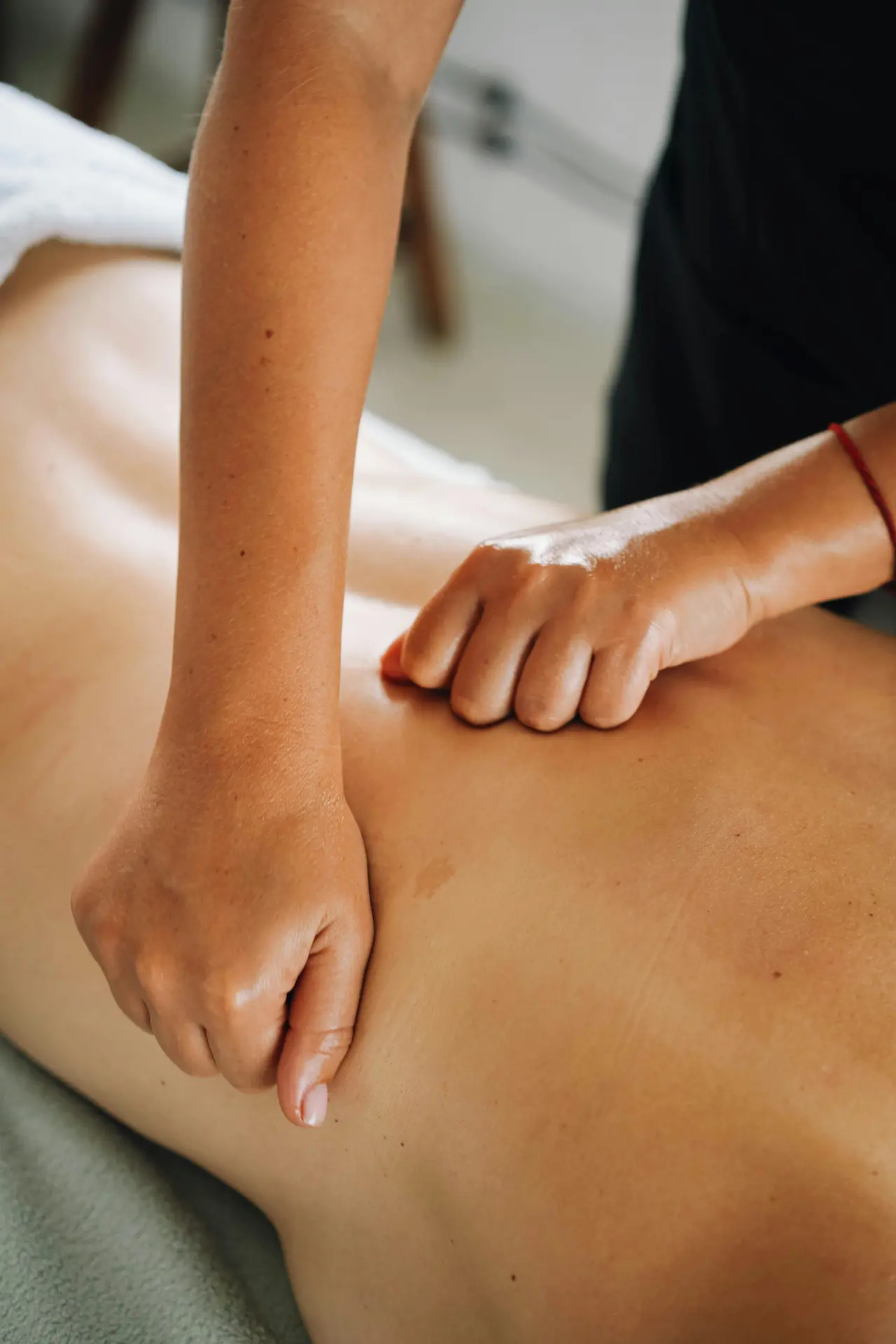
Manual therapy and hands-on care (when appropriate)
Some people find hands-on care helpful, particularly early on, to ease pain and improve movement. This may include:
- Joint mobilisation (gentle movements applied to stiff joints)
- Soft tissue techniques for muscles around the back, hips and pelvis
- In some chiropractic care, joint manipulation may be considered where appropriate and with informed consent
Hands-on techniques are often most useful when paired with active rehab and self-management.
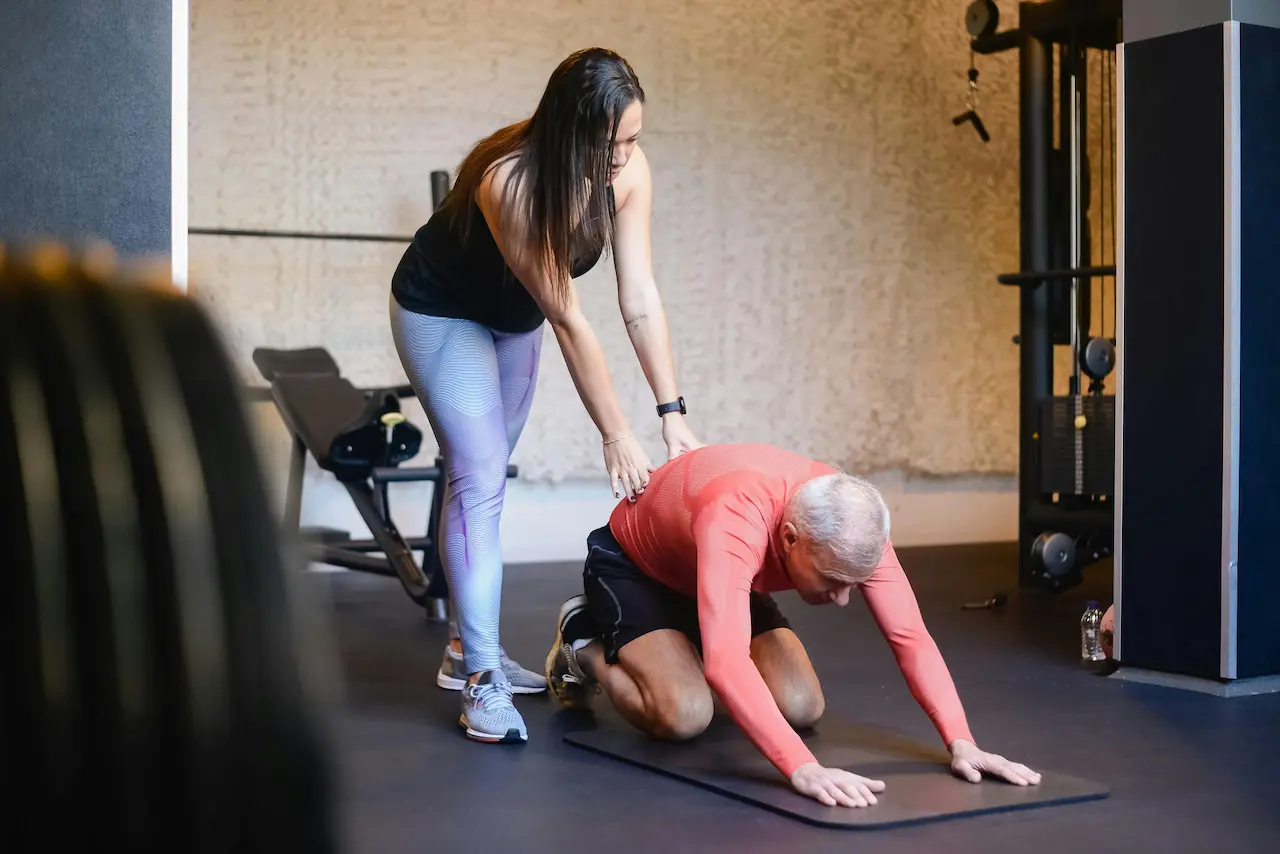
Individualised exercise and rehabilitation
Exercise is commonly used to restore function and reduce recurrence risk over time. Programs may include:
- Mobility work to improve comfortable movement
- Strengthening for the hips, trunk and legs
- Graded exposure to bending, lifting and work tasks
- Walking or low-impact conditioning to support general fitness
- Nerve mobility strategies when nerve irritation is part of the picture
An exercise physiologist in Hornsby can be particularly helpful when the focus is building long-term strength and conditioning in a structured way.
Work and lifestyle strategies
For many people, recovery improves when the plan fits their real life. This may include:
- Desk strategies (workstation setup + regular movement breaks)
- Safer ways to lift and carry for your job demands
- Pacing plans during busy weeks (especially for tradies, carers and shift workers)
- Sleep and recovery strategies when fatigue is contributing
When referral may be appropriate
Referral to a GP or specialist may be considered if:
- Red flag symptoms are present
- Significant or worsening nerve symptoms occur (progressive weakness, severe leg pain)
- Symptoms aren’t improving as expected
- Medication review or imaging is appropriate
- A specialist opinion is required for complex cases
How care may progress over time
Low back pain management often changes as symptoms settle:
- Early phase (days to a few weeks): focus on reducing sensitivity, staying gently active, and finding comfortable movement options.
- Rebuild phase (weeks to months): progressively strengthen, improve tolerance to work and exercise, and return to normal activity.
- Maintenance phase: keep capacity up with a sustainable routine, and have a plan for managing flare-ups.
Not everyone follows the same timeline. Your clinician can guide progressions based on your response and goals.
Common questions about low back pain in Hornsby
When should I see someone for low back pain?
If low back pain is affecting work, sleep, walking, exercise, or daily tasks - or if it keeps recurring - an assessment can be helpful. Seek urgent medical review first if you have red flags such as changes in bladder/bowel control, significant trauma, fever, or progressive weakness.
What should I expect at my first appointment?
Your first appointment usually includes a detailed history and physical assessment. You should leave with a clearer understanding of likely contributors and a practical plan, often including advice and targeted exercises. Hands-on treatment may be included if appropriate and you consent.
How many sessions might I need?
It depends on the cause, severity, and duration of symptoms, plus your work and lifestyle demands. Some people need only a small number of sessions for guidance and progression; others benefit from a longer rehab plan. Your clinician can discuss general expectations after assessment and adjust based on progress.
Is it better to rest or keep moving?
Complete rest is rarely helpful for most low back pain. Gentle movement and a gradual return to activity is often recommended, but the amount and type of movement should match your symptoms. Your clinician can help you find the “just right” level and progress it safely.

What can I do at home?
Home strategies often include:
- Regular, comfortable movement (short walks, changing positions)
- Pacing activity to avoid big flare-ups
- Following a tailored exercise plan
- Using heat or simple comfort measures if they help you tolerate movement
- Improving sleep and recovery habits where possible
Your clinician will personalise advice to your situation.
Do leg symptoms always mean sciatica?
Not always. Leg pain can come from joints, muscles, or nerves. An assessment helps determine whether symptoms fit nerve irritation and whether sciatica treatment in Hornsby should include nerve-specific strategies.
Who we help in Hornsby and nearby suburbs
Hornsby Health supports people from Hornsby and nearby suburbs including Waitara, Asquith, Wahroonga, Thornleigh and Mount Colah. Low back pain is common across many lifestyles, and the clinic often supports people such as:
- Office workers with stiffness from long sitting and busy work periods
- Tradespeople and active workers with lifting-related flare-ups and repetitive strain
- Parents and carers who are frequently bending, lifting and carrying
- Older people wanting to stay mobile and confident with daily activities
- Gym-goers and recreational athletes managing training-related pain or return-to-training plans
- People with persistent or recurrent back pain who want a structured path back to strength and confidence
Next steps
If you’re experiencing low back pain in Hornsby, a personalised assessment can help clarify what’s contributing to your symptoms and what options may be appropriate — whether that involves physiotherapy, chiropractic, exercise physiology, or a coordinated plan.
If you live in or around Hornsby and would like an assessment, contact Hornsby Health on 02 8428 0528 to discuss whether an appointment may be appropriate for you.
-p-130x130q80.jpg)

.jpg)

Ready to book an appointment with us?
Visit our Online Bookings page where you can see what times are available and book appointments with all our great Physiotherapists, Chiropractors, and Exercise Physiologists in Hornsby. You can also find us and book appointments via HotDoc and HealthEngine.
Rather speak to someone? Simply give us a call on 02 8428 0528 and our friendly receptionists can help you find a time that suits, and answer any questions you might have.


