
Scoliosis, kyphosis and spinal posture issues in Hornsby
%20(1).svg)
.svg)

Scoliosis, kyphosis and spinal posture issues in Hornsby
Spinal posture issues such as scoliosis and kyphosis can affect how the spine looks, moves and feels, and may contribute to discomfort or fatigue for some adults. Many people seek posture correction when they notice rounded shoulders, a visible curve, or difficulty standing comfortably upright, especially during work or daily activities.
Hornsby Health clinicians people with a range of spinal shapes, from postural changes related to work and lifestyle through to diagnosed scoliosis in Hornsby. Physiotherapy, chiropractic care and exercise physiology may be used to help manage symptoms, support function and improve confidence in movement, while recognising that structural curves themselves are usually monitored and guided by medical specialists.
What are scoliosis, kyphosis and posture issues?
Scoliosis
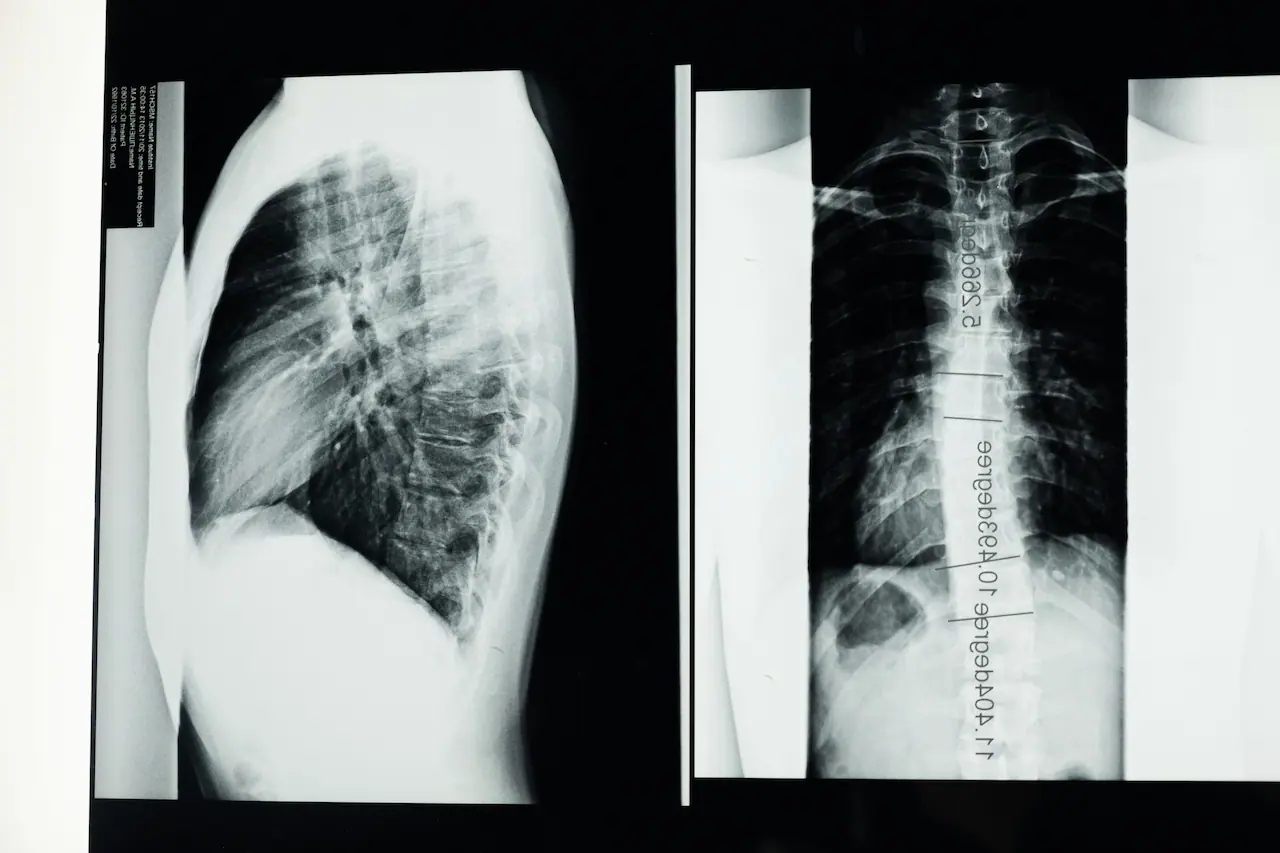
Scoliosis is a three‑dimensional curve of the spine, defined on X‑ray as a sideways curvature of at least 10 degrees. In adults, scoliosis may be a curve that began in adolescence and progressed, or it may develop later in life due to age‑related changes such as disc degeneration or arthritis (degenerative scoliosis).
Many people with mild scoliosis have few or no symptoms, although they may notice uneven shoulders, a visible rib prominence, or their clothing sitting unevenly. When scoliosis is more pronounced, some adults experience back pain, muscular fatigue, leg symptoms or reduced tolerance for standing and walking.
Kyphosis
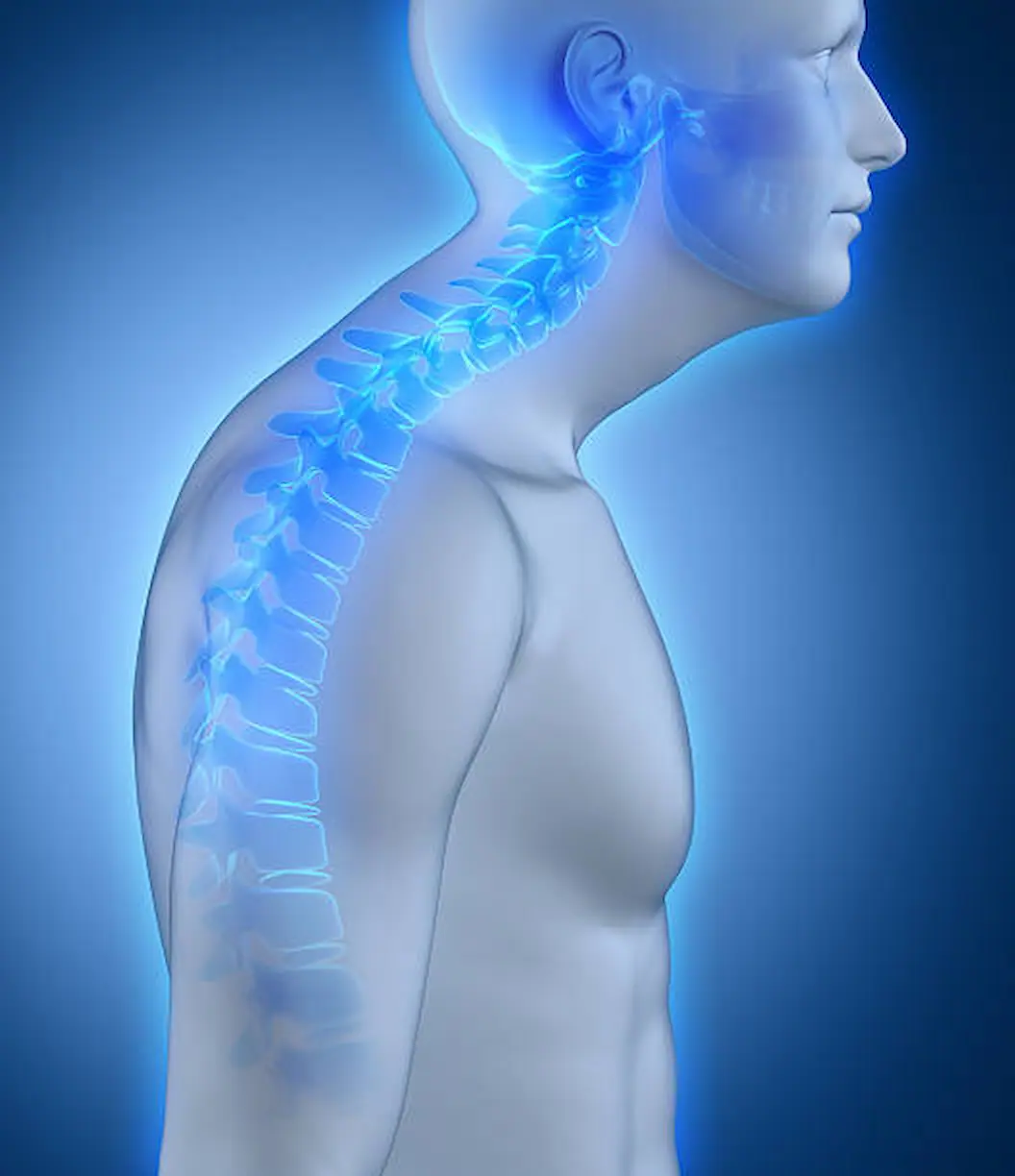
Kyphosis describes the natural forward curve of the upper back (thoracic spine). When this curve becomes exaggerated it may be called hyperkyphosis and may be noticed as a rounded or hunched posture.
Kyphosis can be:
Postural kyphosis: The spine itself is structurally normal, and the curve usually improves when the person stands up straight or lies down. This type is often related to muscle weakness, prolonged sitting and habit, and typically has a benign course.
Structural kyphosis: The vertebrae or discs are altered, such as in Scheuermann’s disease or with osteoporotic compression fractures, and the curve is more rigid. Structural kyphosis can sometimes cause pain, stiffness and functional difficulties, particularly in more severe cases.
General posture issues
Not all posture concerns are scoliosis or kyphosis. Many adults present with:
- Forward head posture and rounded shoulders from desk work.
- Increased upper back rounding without structural change.
- Compensatory curves in other regions of the spine due to previous injuries or lifestyle patterns.
Current evidence suggests that posture alone does not “cause” scoliosis where none existed, but poor posture can increase strain, aggravate symptoms and affect quality of life in people who already have spinal deformities.
Red flags – when to see a GP or specialist promptly
Most posture concerns and mild curves are not emergencies, but some features warrant medical review. Seek timely GP or specialist assessment if:
- Spinal deformity is rapidly worsening, especially in a younger person.
- There is persistent or night‑time spinal pain not relieved by rest.
- There are neurological symptoms such as leg weakness, numbness, or changes in bladder or bowel control.
- Breathing becomes more difficult, or there is reduced exercise tolerance associated with a significant spinal curve.
- There is a history of cancer, significant trauma, unexplained weight loss or fever along with back pain.
A GP or spine specialist can arrange imaging and provide medical guidance on monitoring versus surgical or other interventions where appropriate.

How Hornsby Health clinicians assess posture, scoliosis and kyphosis
At Hornsby Health, clinicians focus on how spinal posture, scoliosis and kyphosis are affecting function, comfort and daily activities rather than only how they look. They also recognise that diagnosis and medical management of structural deformities sit with GPs and spine specialists.
An assessment may include:
- History and goals: Discussing when posture concerns were first noticed, any formal diagnosis (such as “scoliosis” or “Scheuermann’s”), current symptoms, and goals such as reducing pain, improving endurance or supporting work tasks.
- Medical background: Asking about previous imaging, surgical opinions, osteoporosis, fractures, or other health conditions that might influence the spine.
- Posture and alignment observation: Viewing the spine from the front, side and back to note curves, shoulder and pelvic levels, head position and rib prominence.
- Movement and flexibility testing: Assessing spinal mobility in flexion, extension and rotation, and checking whether a kyphotic curve straightens when lying down (suggesting postural rather than structural kyphosis).
- Strength and endurance: Evaluating back, abdominal and hip muscle strength and endurance, as these often influence how easy it is to maintain a comfortable posture.
- Functional assessment: Looking at practical tasks, such as sitting at a desk, lifting, walking and carrying, to understand how spinal posture issues show up in daily life.
You may see:
- A physiotherapist for detailed musculoskeletal assessment, exercise planning and movement retraining around curves and postural patterns.
- A chiropractor to evaluate the degree of curvature and give long term assessment for how to manage scoliosis and hyperkyphosis
- An exercise physiologist to design longer‑term exercise programs focused on strength, endurance and general physical conditioning.
If new or evolving structural scoliosis or kyphosis is suspected, or if red flags are present, clinicians will typically recommend GP or specialist review for imaging and medical planning.
Treatment and management options in Hornsby
Management for adults with posture issues, scoliosis or kyphosis is individualised and usually aims to reduce discomfort, support function and promote healthy movement patterns rather than “straightening” the spine.
Education and realistic expectations
Understanding the difference between structural deformity and postural change helps many people feel more in control. Education may cover:
- The natural curves of the spine and what is considered a normal variation.
- The role of posture: helpful to optimise, but only one factor among load, strength, bone health and general activity.
- The fact that mild scoliosis often does not require invasive treatment and can be monitored over time.
Clinicians may also discuss the importance of bone health, particularly for adults at risk of osteoporosis, as vertebral fractures can worsen kyphosis.
Exercise and movement-based care
Exercise is often central in conservative management of scoliosis, kyphosis and postural issues. A posture‑focused program might include:
- Strengthening of spinal extensors and core muscles to support a more upright posture and reduce fatigue.
- Scapular and shoulder girdle exercises to help open the chest and counter rounded shoulders.
- Flexibility work for tight muscles at the front of the chest and hips that contribute to slouching.
- Balance and gait exercises where curves affect confidence with walking or standing.
For people with scoliosis, targeted exercises may be used to improve strength and function around the curve and support daily activities, acknowledging that curve size itself may change little in adulthood without bracing or surgery.
Programs are usually progressed gradually and adjusted for pain, fatigue and other health conditions.

Manual therapy and symptom relief
Manual therapy (such as joint mobilisation and soft tissue techniques) may be used to address local stiffness or muscle tension around kyphotic or scoliotic regions. Some adults report that this, combined with exercise, can be helpful for symptom relief and ease of movement, although it does not change structural curves.
Approaches are typically chosen based on individual preference, comfort and any medical precautions (for example, osteoporosis).
Self-management, ergonomics and lifestyle
Self‑management strategies may include:
- Adjusting workstations to support more neutral sitting postures and reduce sustained end‑range positions.
- Planning regular posture changes, walking breaks and micro‑movement during long tasks.
- Incorporating general physical activity such as walking, swimming or low‑impact exercise, tailored to comfort and medical advice.
- Considering sleep set‑up and pillow choice, particularly where spinal curves affect comfort when lying down.
In more complex cases, coordination with GPs, rheumatologists, endocrinologists (for bone health) or spine surgeons may be part of a broader plan.
When referral is appropriate
Referral to medical or surgical specialists may be recommended if:
- Curves are progressing or have not been formally assessed with imaging.
- Pain is persistent, severe, or associated with neurological or breathing issues.
- There is suspected structural kyphosis, significant degenerative scoliosis, or concern about underlying pathology.
Surgical options for adult scoliosis and kyphosis are generally reserved for specific cases with substantial symptoms or functional limitation and follow careful specialist evaluation.
Common questions about scoliosis and posture in Hornsby
Can bad posture cause scoliosis?
Current evidence suggests that poor posture alone does not create structural scoliosis where none existed, but it can increase strain and discomfort in people who already have curves or spinal degenerative changes.
Is posture correction in Hornsby only about “standing up straight”?
Posture‑focused care usually emphasises strength, mobility, ergonomics and movement variety rather than rigidly holding one “perfect” position. The aim is comfortable, sustainable alignment for daily life.
If I have scoliosis in Hornsby, do I need surgery?
Many adults with scoliosis are managed without surgery, especially when curves are mild to moderate and symptoms are manageable. Decisions about surgery are made with spine specialists based on curve size, symptoms and overall health.
Will exercises straighten my spine?
Exercises can improve strength, posture and function and may influence comfort and endurance, but they rarely normalise established structural curves in adults. They are often used to help people live better with their existing spinal shape.
How many sessions will I need?
There is no fixed number. Frequency and duration depend on your goals, curve type, symptoms, other health factors and how independently you can continue exercises and self‑management. This is usually reviewed over time with your clinician.
Who this may help in Hornsby and nearby suburbs
This information may be helpful for adults living or working in Hornsby, Waitara, Asquith, Wahroonga, Thornleigh and Mount Colah who:
- Have a known diagnosis of scoliosis and want support with pain, posture or activity planning.
- Notice increased rounding of the upper back or difficulty standing upright after years of desk work.
- Experience backache or muscle fatigue with prolonged standing or walking linked to spinal curves or posture.
- Are concerned about family history of spinal deformity and want guidance on exercise, ergonomics and bone health.
Hornsby Health clinicians generally consider your medical history, imaging findings (if available), work demands and personal goals when planning conservative management.
Next steps
If you have concerns about posture, scoliosis or a possible kyphosis, it can be useful to start with a medical review to confirm the diagnosis and discuss whether imaging is needed. Contact us at Hornsby Health on 02 8428 0528 for an allied health assessment where we can explore how physiotherapy, chiropractic care or exercise physiology may assist with symptom management, posture strategies and activity planning.
If you notice rapidly changing spinal shape, significant or night‑time pain, new neurological symptoms or breathing difficulties, seek prompt advice from your GP or emergency services as appropriate.
-p-130x130q80.jpg)

.jpg)

Ready to book an appointment with us?
Visit our Online Bookings page where you can see what times are available and book appointments with all our great Physiotherapists, Chiropractors, and Exercise Physiologists in Hornsby. You can also find us and book appointments via HotDoc and HealthEngine.
Rather speak to someone? Simply give us a call on 02 8428 0528 and our friendly receptionists can help you find a time that suits, and answer any questions you might have.


