
Shoulder pain, rotator cuff and frozen shoulder care in Hornsby
%20(1).svg)
.svg)

Shoulder pain, rotator cuff and frozen shoulder care in Hornsby
Shoulder pain is common in adults and can make everyday tasks like dressing, reaching overhead or sleeping on one side much harder. Many people seek a shoulder pain physio in Hornsby when pain persists for more than a few weeks, affects work or sport, or keeps waking them at night.
Rotator cuff–related shoulder pain and frozen shoulder (adhesive capsulitis) are two frequent reasons people look for information and frozen shoulder treatment in Hornsby. Our clinicians at Hornsby Health may help assess the cause of shoulder pain, explain likely contributing factors and plan management in collaboration with your GP or specialist where needed.
What is shoulder pain, rotator cuff pain and frozen shoulder?
Rotator cuff–related shoulder pain
The rotator cuff is a group of four muscles and tendons that stabilise the shoulder and help lift and rotate the arm. Rotator cuff–related shoulder pain (sometimes called subacromial or impingement‑type pain) is a broad term that covers tendon irritation, bursitis and partial tears.
Common features include:
- Pain around the shoulder and upper arm, often worse when lifting the arm or reaching overhead.
- Discomfort when reaching behind the back, such as fastening a bra or tucking in a shirt.
- Pain when lying on the affected side, which may disturb sleep.
- Gradual onset, especially after new or heavier overhead activity, though sometimes symptoms follow a specific incident.
Rotator cuff problems can range from mild irritations that respond well to load management and exercise, to larger tears that may require surgical opinion, particularly if linked to trauma and marked weakness.

Frozen shoulder (adhesive capsulitis)
Frozen shoulder is a condition where the shoulder capsule (the connective tissue surrounding the joint) becomes inflamed and stiff, leading to pain and a marked loss of movement. It tends to affect people in mid‑life and is more common in those with diabetes or thyroid disorders.
It usually progresses through three overlapping stages:
- Freezing stage: Gradually worsening shoulder pain, often severe at night, with increasing stiffness.
- Frozen stage: Pain may lessen but range of motion is significantly reduced, making dressing, reaching and self‑care difficult.
- Thawing stage: Slow improvement in shoulder movement and reduction in pain over months.
Most people with frozen shoulder improve over time with a combination of medical and rehabilitation approaches, although recovery can take many months and some may have residual stiffness.

General red flags – when to see a GP or ED promptly
Most shoulder pain is not an emergency, but some signs need urgent medical assessment. Seek prompt GP or emergency care if:
- There is sudden, severe shoulder pain after significant trauma, especially if you cannot move the arm.
- The shoulder looks deformed or dislocated.
- There is redness, heat, fever or feeling unwell suggesting possible joint infection.
- There is a rapidly developing inability to lift the arm after an injury, raising concern for an acute rotator cuff tear.
- There are systemic symptoms such as unexplained weight loss, night sweats or new respiratory symptoms.
A GP can also help if shoulder pain persists beyond a few weeks or significantly limits daily activities, even without red flags.
How Hornsby Health clinicians assess shoulder pain in Hornsby
Assessment focuses on identifying the most likely source of pain, screening for red flags, and understanding how the problem affects function and goals.
A typical assessment with a shoulder pain physio in Hornsby, chiropractor or exercise physiologist may include:
- History taking: Onset of pain (sudden vs gradual), any trauma, location of symptoms, aggravating movements (e.g. overhead reach, dressing, lifting), night pain and previous episodes.
- Medical background: Diabetes, thyroid disease, previous surgery, neck problems or cardiac history, as these can influence diagnosis and management.
- Observation and movement testing: Assessing posture, shoulder position, range of motion (active and passive) and comparing sides.
- Strength and special tests: Checking rotator cuff strength, functional tasks (such as reaching overhead or behind the back) and using specific clinical tests to differentiate likely causes where possible.
- Neck and upper back screening: As some shoulder pain can be referred from the neck or thoracic spine.
You may see:
- A physiotherapist for detailed musculoskeletal assessment, exercise prescription and education on load management.
- A chiropractor to examine joint mechanics in the shoulder and spine, discuss manual therapy and give exercise options if appropriate.
- An exercise physiologist for longer‑term strength and conditioning programs, especially after injury, surgery or in the context of chronic pain.
If an acute tear, infection, dislocation or other serious condition is suspected, clinicians will usually recommend prompt GP or specialist referral and, if indicated, imaging.
Treatment and management options in Hornsby
Management is individualised and depends on whether symptoms are more consistent with rotator cuff–related pain, frozen shoulder, referred pain or other conditions.
Education and load management
Understanding what is likely happening inside the shoulder can reduce worry and support better decision‑making. Education may include:
- How rotator cuff tendons and surrounding bursae can become irritated with sudden increases in overhead activity.
- The typical timeframes and stages of frozen shoulder, emphasising that while slow, many people improve over time.
- The importance of modifying, rather than completely avoiding, arm use – for example, adjusting how and how often overhead tasks are done.
Exercise and rehabilitation
Exercise is a core component of conservative management for both rotator cuff–related shoulder pain and frozen shoulder. A program from a shoulder pain physio in Hornsby may include:
- Range‑of‑motion exercises: Gentle pendulum exercises and supported movements to maintain or gradually restore mobility.
- Strengthening: Targeted strengthening of the rotator cuff and shoulder blade muscles to support the joint and improve function.
- Postural and scapular control work: To optimise movement patterns, especially in desk‑based workers or those with neck and upper back issues.
- Progressive loading: Gradual exposure to previously painful activities, such as lifting, reaching or sport‑specific movements.
In frozen shoulder, emphasis may shift over time from pain‑relieving, gentle exercises in the early “freezing” stage to more focused mobility work and strengthening in the frozen and thawing stages.

Hands-on treatment
Manual therapy, such as joint mobilisation and soft tissue techniques, is sometimes used alongside exercise and education. It may help reduce stiffness or muscle guarding short‑term, particularly in rotator cuff–related pain or in later stages of frozen shoulder.
These approaches are generally adjuncts rather than stand‑alone solutions, with active rehabilitation and self‑management remaining central.
Medical and interventional options
Your GP or specialist may consider medications, injections or other interventions as part of a broader plan. For example:
- Short courses of pain relief or anti‑inflammatory medication to help you participate in exercise.
- Corticosteroid injections for selected cases of frozen shoulder or rotator cuff–related pain.
- Hydrodilatation (joint distension) procedures in some frozen shoulder cases.
Surgery is more commonly considered for clearly defined structural issues such as full‑thickness rotator cuff tears with significant weakness, or frozen shoulder not improving after a sustained period of conservative care, and is guided by an orthopaedic specialist.
When referral is appropriate
Referral back to a GP or specialist is usually advised if:
- Red flags are present.
- There is suspected acute full‑thickness rotator cuff tear after trauma.
- Shoulder pain and disability are not improving after a reasonable trial of conservative treatment (often around 3 months).
Common questions about shoulder pain in Hornsby
Do I always need a scan for shoulder pain?
Not necessarily. Many cases of rotator cuff–related shoulder pain can be diagnosed clinically, and early imaging does not always change management. Scans are more likely to be recommended when trauma, significant weakness, red flags or lack of improvement are present.
How long does frozen shoulder last?
Frozen shoulder can last many months and sometimes several years, progressing through freezing, frozen and thawing stages. Many people improve substantially with a combination of medical and rehabilitation strategies, though some may have residual stiffness.
Can exercises make my shoulder worse?
Appropriately prescribed exercises are usually introduced gradually and adjusted to avoid sharp or severe pain. Mild discomfort is common at first, but programs are typically modified if symptoms flare significantly.
Will I definitely avoid surgery with physio?
Many people with rotator cuff–related pain manage well with non‑surgical care, but outcomes vary and some conditions may still require surgical opinion. Decisions about surgery are made with your GP and orthopaedic specialist based on your imaging, symptoms and goals.
How many sessions will I need?
There is no fixed number. The frequency and duration of care depend on your diagnosis, stage of recovery, response to treatment and how consistently you can follow a home program. This is usually reassessed over time with your clinician.
Who this may help in Hornsby and nearby suburbs
This information may be relevant for adults in Hornsby, Waitara, Asquith, Wahroonga, Thornleigh and Mount Colah who:
- Have gradual onset shoulder pain when lifting, hanging out washing, reaching overhead or playing social sport.
- Wake at night due to shoulder discomfort, especially when lying on one side.
- Notice progressive shoulder stiffness with pain that makes dressing, reaching or self‑care difficult, consistent with a frozen shoulder picture (after GP assessment).
- Are recovering from shoulder injury or surgery and need structured rehabilitation and exercise guidance.
Hornsby Health clinicians generally consider your work demands, home roles, sport, medical history and personal goals when planning shoulder management.
Next steps
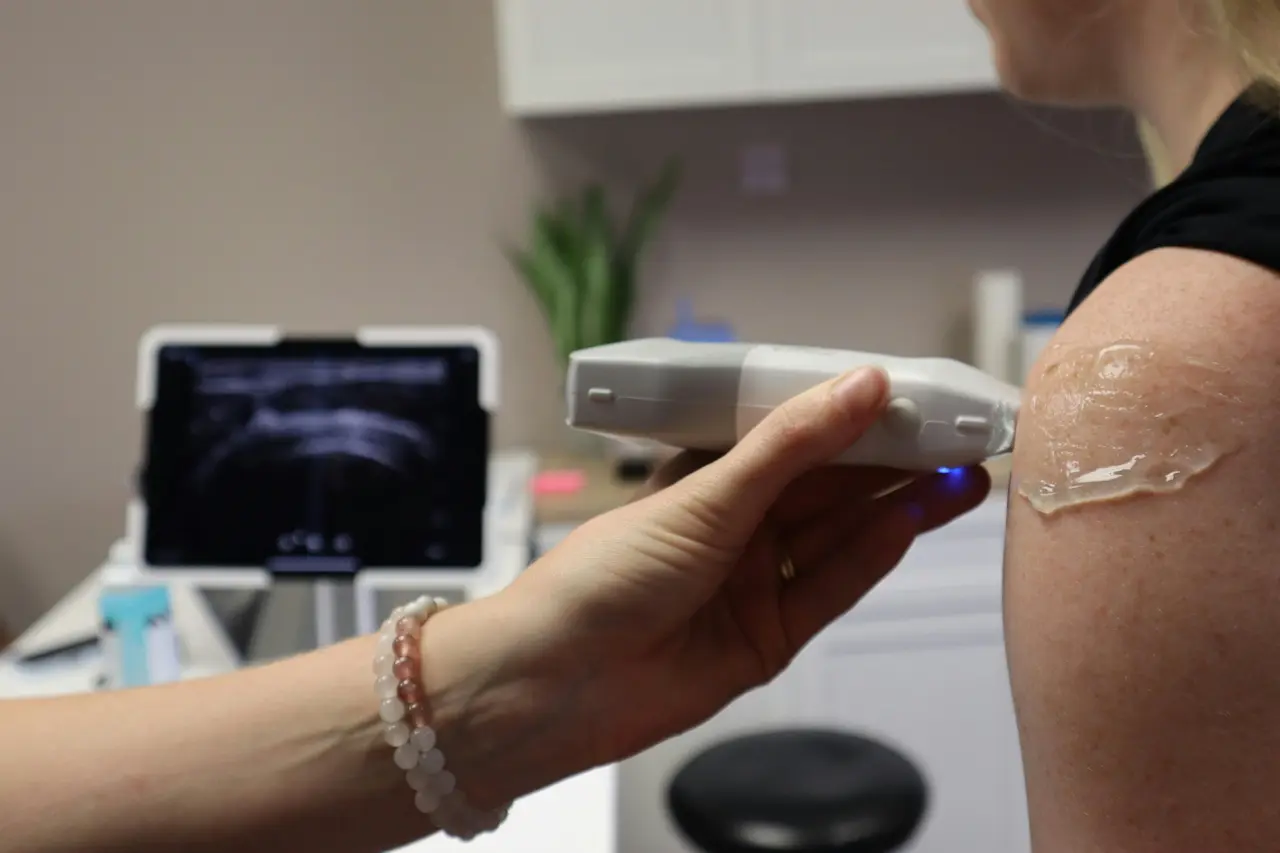
If shoulder pain has persisted for several weeks, is worsening, or is limiting daily activities, arranging an assessment can help clarify what is going on and what options are available. A shoulder pain physio in Hornsby or other allied health clinician can assess your movement, strength and aggravating tasks, then work with your GP to plan exercise, education and, where appropriate, frozen shoulder treatment in Hornsby.
If you develop sudden severe pain after trauma, an obviously deformed shoulder, signs of infection or systemic illness, or marked weakness after an injury, seek urgent medical care via your GP, an after‑hours service or the emergency department.
-p-130x130q80.jpg)

.jpg)

Ready to book an appointment with us?
Visit our Online Bookings page where you can see what times are available and book appointments with all our great Physiotherapists, Chiropractors, and Exercise Physiologists in Hornsby. You can also find us and book appointments via HotDoc and HealthEngine.
Rather speak to someone? Simply give us a call on 02 8428 0528 and our friendly receptionists can help you find a time that suits, and answer any questions you might have.


